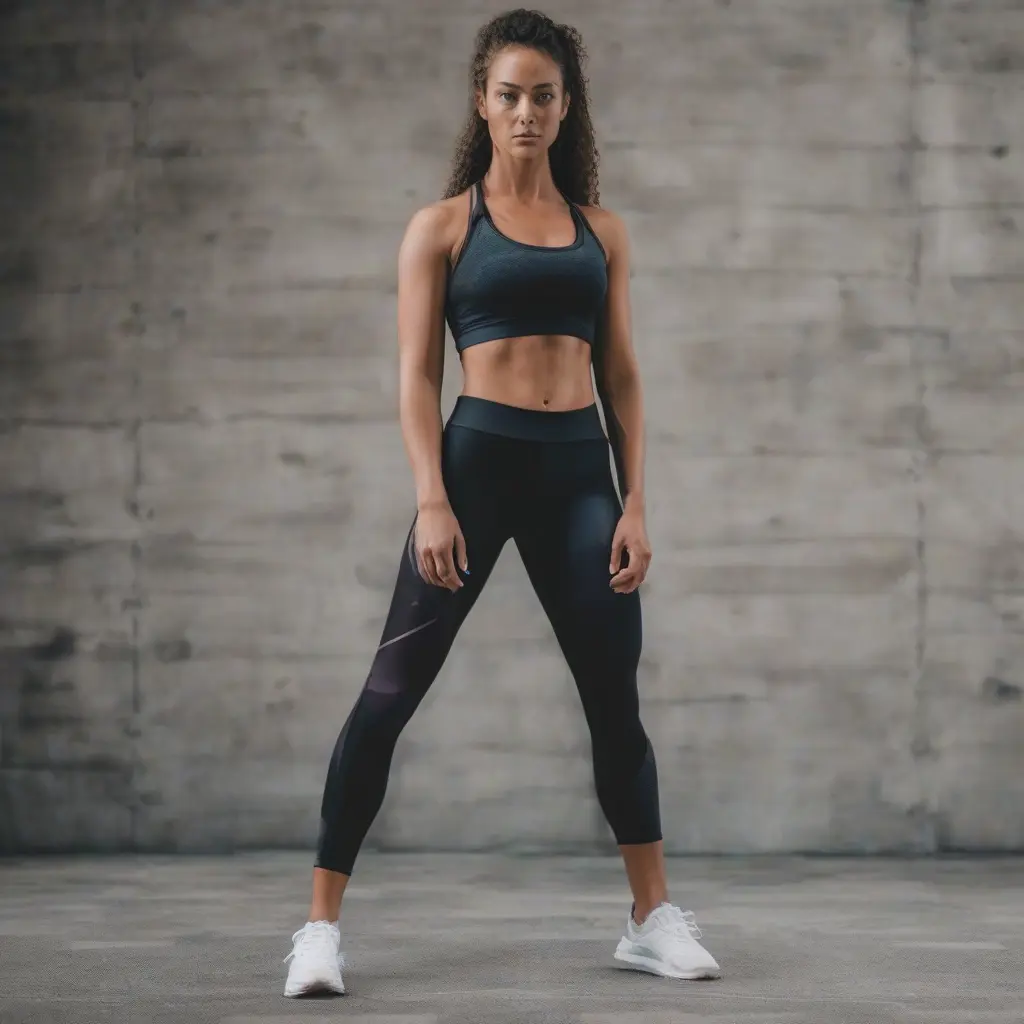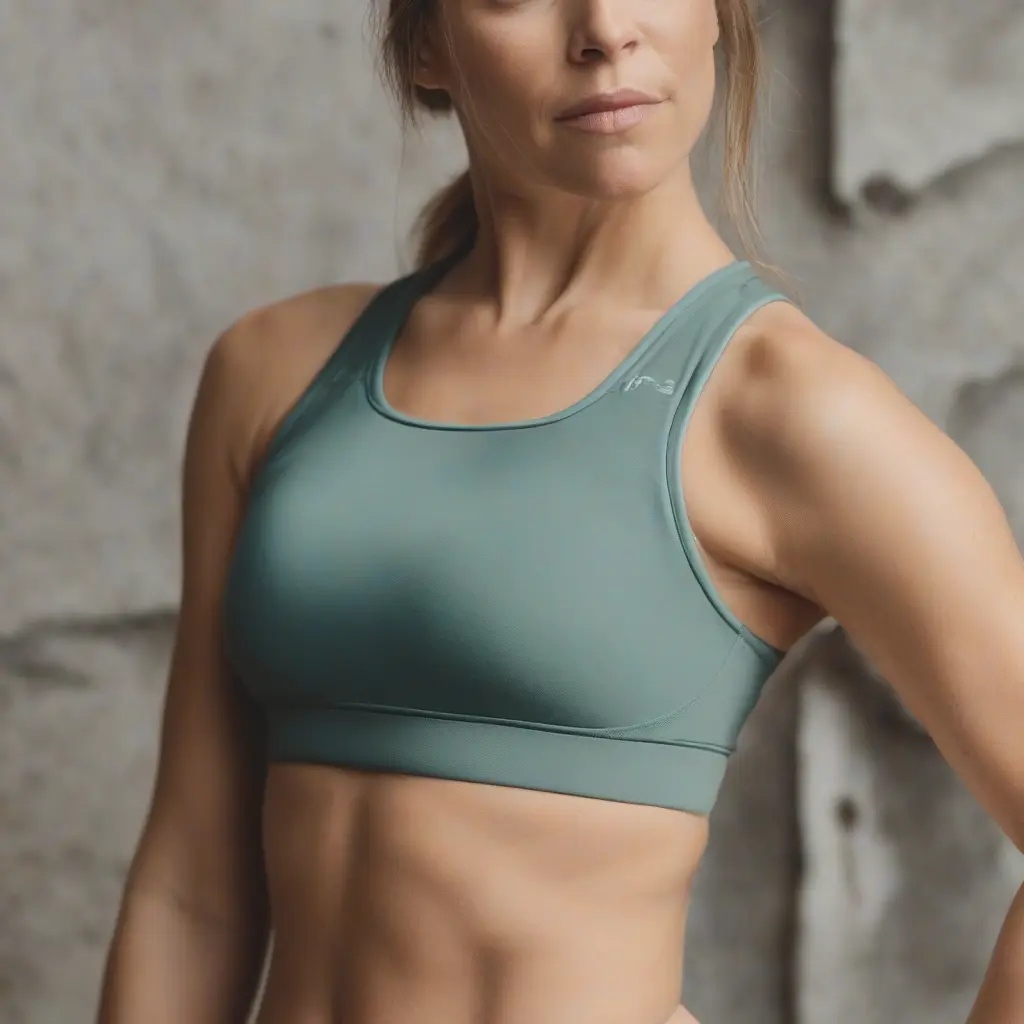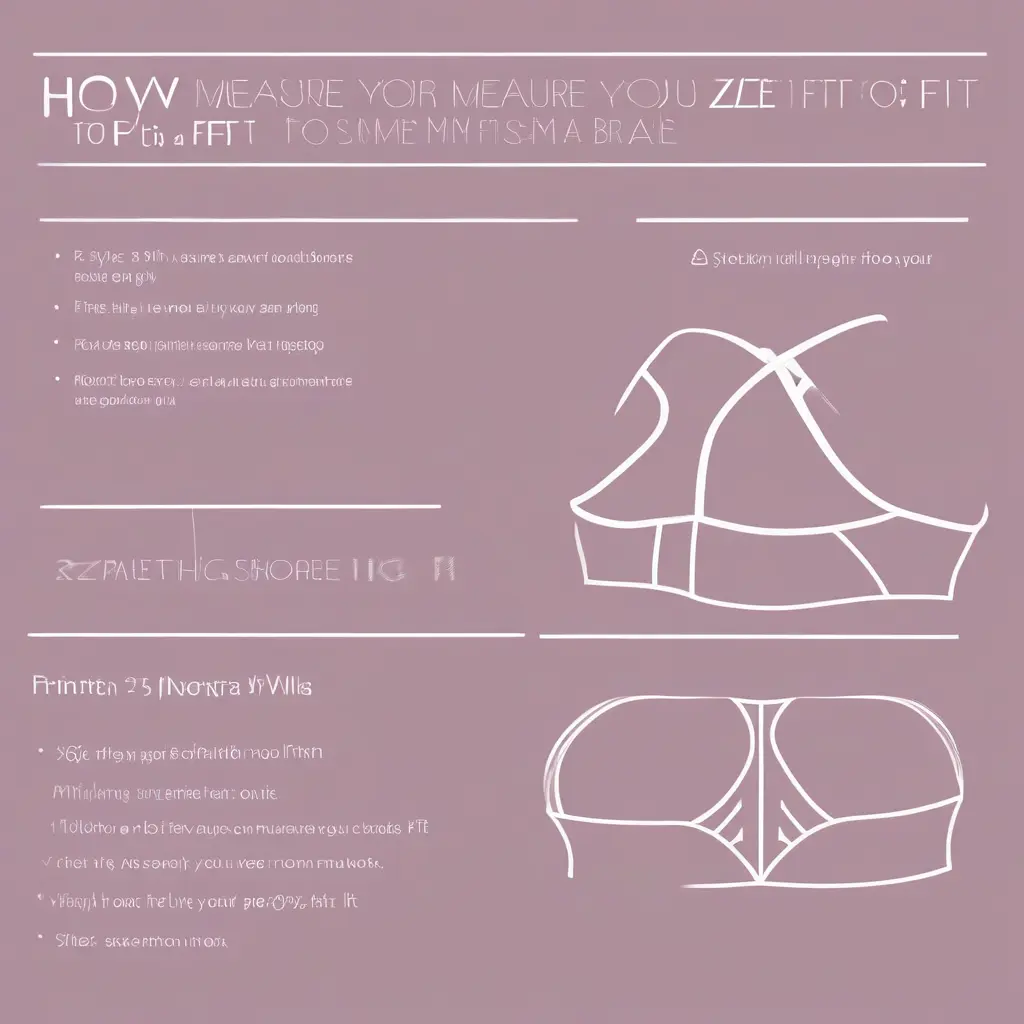
Finding the right sports bra is essential for comfort and support during physical activities. An ill-fitting bra can lead to discomfort, chafing, and diminished performance. In this guide, we will walk you through the steps to accurately measure your size, helping you select a sports bra that offers the ideal fit. By understanding various measurements, styles, and factors to consider, you can ensure your choice meets both your athletic and aesthetic needs.
Understand the Importance of a Proper Fit
Wearing the correct size sports bra is crucial for minimizing breast movement during exercise. A well-fitted bra supports the breast tissue, reducing discomfort and potential injury while providing you with the confidence to perform your best. Moreover, choosing the right sports bra can enhance your workout experience, allowing you to focus on your performance rather than any discomfort or distractions caused by an ill-fitting garment.
Gather Your Measuring Tools
To measure your size correctly, you will need a soft measuring tape, a pen, and a notepad. Ideally, you should take measurements while wearing a non-padded bra to ensure accuracy. Additionally, it’s best to measure yourself in front of a mirror, so you can verify that the tape is straight and not twisted. Having these tools ready will make the measuring process simpler and more efficient.
Measure Your Band Size
To accurately measure your band size, place the measuring tape directly under your bust, ensuring it is snug but not tight. Take the measurement in inches and round to the nearest whole number. If the number is even, add four inches; if it’s odd, add five inches. This final figure will give you your band size, which is crucial in determining the overall fit of your sports bra.
Measure Your Bust Size
To find your bust size, measure around the fullest part of your bust while keeping the measuring tape parallel to the ground. Ensure that the tape is snug but not constricting. This measurement is fundamental in determining your cup size. Make a note of this number, as it will work in conjunction with your band size to help you identify your perfect sports bra size.
Calculate Your Cup Size
Calculating your cup size involves finding the difference between your bust size and your band size. Begin by taking the two measurements you recorded: your bust size and band size. Subtract the band size from the bust size to find the difference. Each inch of difference corresponds to a cup size; for example, a 1-inch difference is an A cup, 2 inches is a B cup, and so forth. This calculation will help you narrow down your sports bra choices further.
Determine Your Sports Bra Style
Sports bras come in various styles, including compression, encapsulation, and a combination of both. Compression bras are designed to press the breasts against the chest, making them ideal for smaller sizes or lower-impact activities. Encapsulation bras support individual breast movement, which is beneficial for larger sizes or high-impact sports. Understanding your activity level and body type will aid you in selecting the most suitable style for your needs.
Consider the Level of Support Needed
Different sports bras offer varying levels of support based on the activity type. For example, low-impact sports like yoga or walking may require less support, allowing for more comfortable and flexible styles. Conversely, high-impact activities such as running or aerobics necessitate more robust support. Evaluating your workout needs and the intensity of your activities will guide you in selecting a bra that provides the right support and comfort.
Test the Fit
Once you’ve decided on your size and style, trying on the sports bra is essential. Pay attention to how it feels when you move; there should be no pinching or discomfort. The straps should stay in place, and the band should sit snugly without riding up. Jumping or performing a few movements can help determine if the bra provides adequate support during an actual workout, ensuring you make an informed choice.
Check for Adjustability Features
Adjustability is an important feature in a sports bra that can affect the fit and comfort. Look for bras with adjustable straps and hooks, allowing for customization based on your body shape and preference. This feature is especially beneficial as your body changes over time due to weight fluctuations or muscle gain. A bra that can adapt to your shape and size ensures comfort and longevity, making it a practical investment.
Understand Fabric and Breathability
The fabric of your sports bra significantly affects comfort and perspiration management. Look for materials that are moisture-wicking, breathable, and stretchy to provide support without restraining movement. Fabrics such as nylon, polyester, and spandex are commonly used in sports bras, offering various levels of comfort and durability. Choosing the right material can enhance your overall workout experience by keeping you dry and comfortable.
Know When to Replace Your Sports Bra
It’s essential to recognize when to replace your sports bra to maintain adequate support. Generally, a sports bra should be replaced every six to twelve months, depending on usage and wear. Signs of wear include loss of elasticity, discomfort, or visible damage. A proper fitting bra not only improves performance but also supports the overall health of your breast tissue, making timely replacements crucial.
Conclusion
Measuring for a sports bra is a straightforward process, but it plays a crucial role in ensuring the comfort and support you need during physical activities. By following the outlined steps, including accurate measuring and understanding your body’s needs, you can choose a sports bra that enhances your workout experience. Remember to consider factors such as style, support level, and fabric to enjoy optimal performance and comfort.