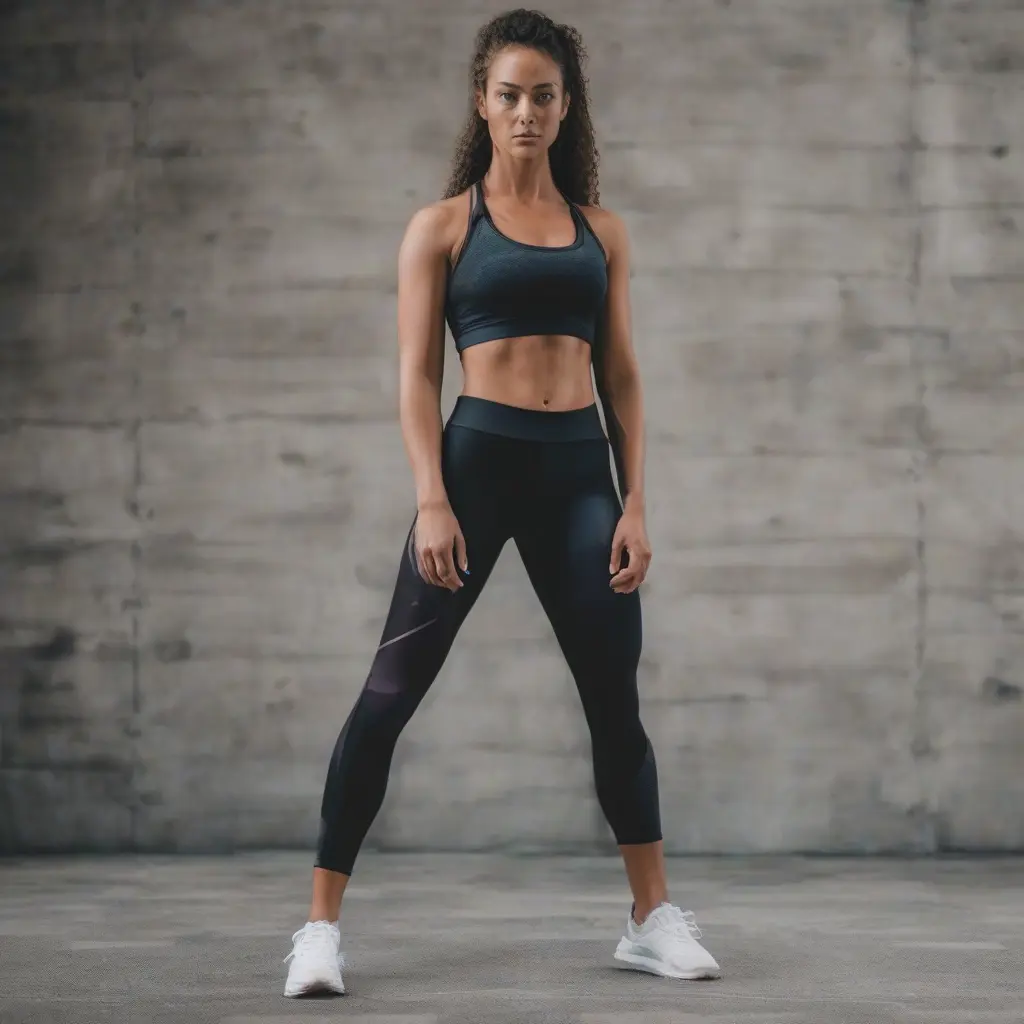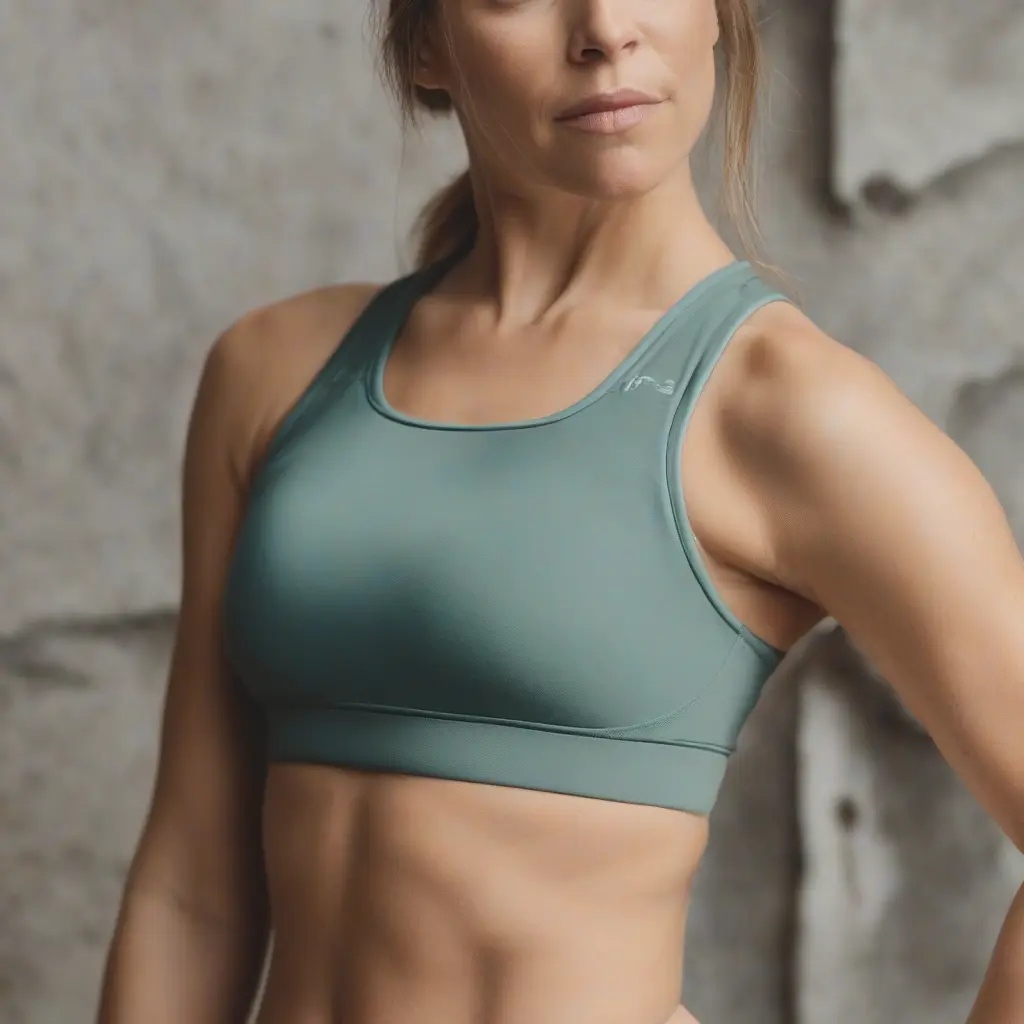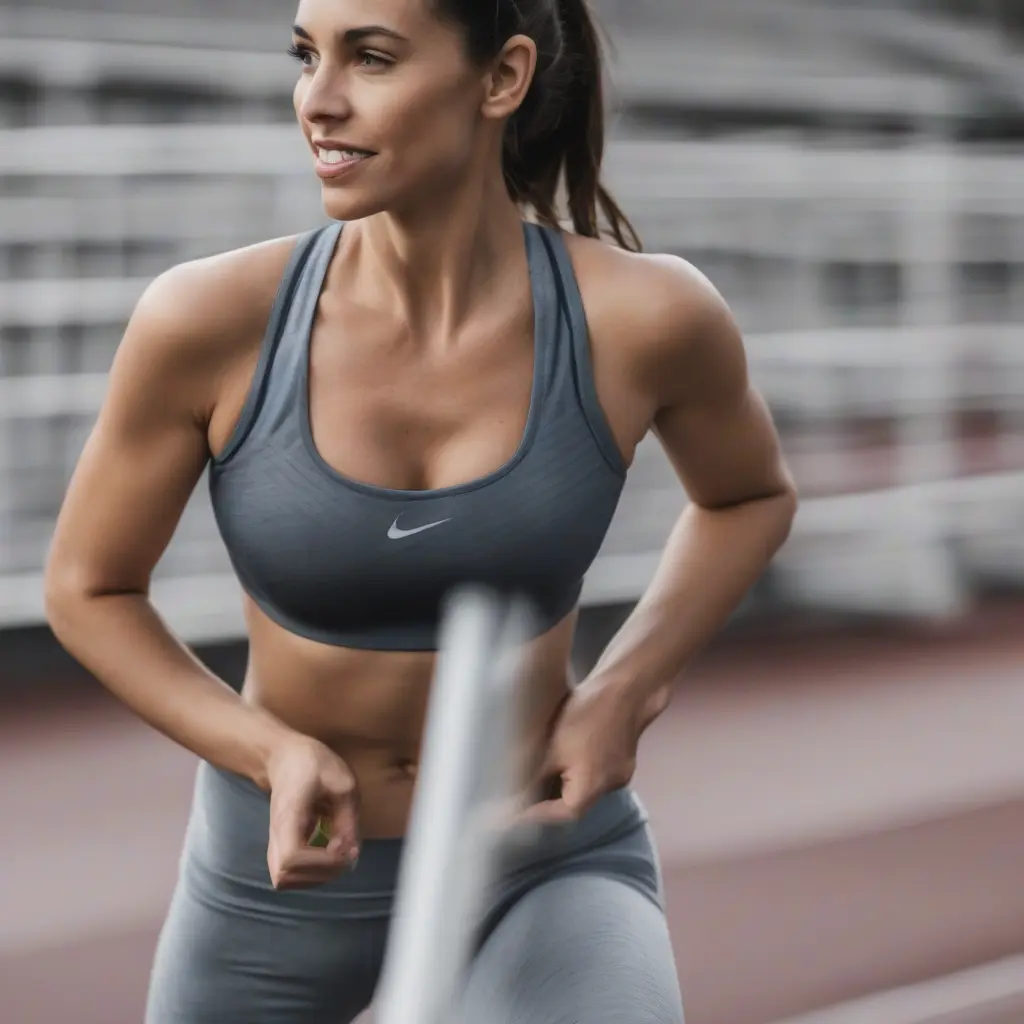
Choosing the right fabric for sports bras can significantly influence performance and comfort, making it essential for athletes and fitness enthusiasts alike. The interplay of various materials can enhance breathability, moisture-wicking abilities, and overall support. As more brands innovate in fabric technology, understanding the implications of these choices becomes crucial. This article delves into how different fabrics impact the effectiveness of sports bras, aiming to equip readers with knowledge for making informed choices that cater to their workout needs.
Breathability and Moisture Management
Breathability is a critical factor in sports bra performance, especially during intense workouts. Fabrics like mesh and lightweight synthetics allow air circulation, helping to regulate body temperature and prevent overheating. Moreover, moisture-wicking materials, such as polyester blends, draw sweat away from the skin, minimizing discomfort. This combination of breathability and moisture management not only improves comfort but also enhances performance by allowing athletes to focus on their activities without distraction from sweat.
Support Level Offered by Different Fabrics
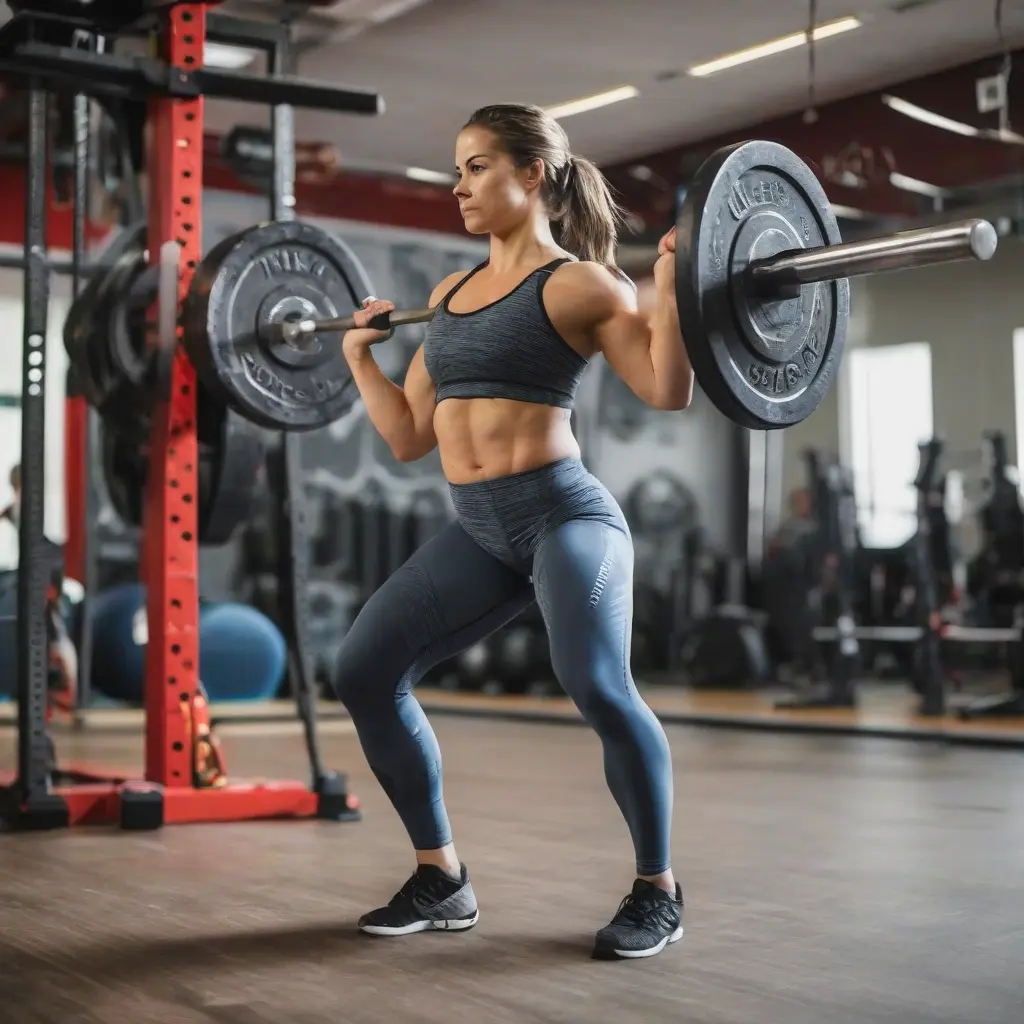
The level of support a sports bra offers can vary greatly depending on the fabric used. For high-impact activities, thicker materials such as spandex or nylon blends provide better compression and support. These fabrics help minimize breast movement, reducing the risk of discomfort or injury during workouts. Conversely, lighter fabrics such as lycra are often used in low-impact bras. The right fabric choice is thus crucial for balancing comfort and function in accordance with the activity’s demands.
Durability of Sports Bra Fabrics
Durability is another essential consideration when selecting a sports bra. Fabrics that withstand wear and tear can prolong the life of a sports bra. Nylon and polyester are known for their strong, resilient characteristics, making them ideal choices for regular use. Additionally, these materials resist fading and stretch, maintaining their shape and support over time. Choosing durable fabrics not only provides better long-term value but also enhances the overall performance of the sports bra during workouts.
Comfort and Fit from Fabric Choices
Comfort in sports bras is largely determined by the fabric’s softness and its stretchability. Fabrics with blended fibers, such as cotton-polyester, offer a soft touch while still providing sufficient elasticity. This balance allows for a snug fit that doesn’t compromise on comfort. Additionally, seamless construction methods can enhance comfort by reducing chafing and irritation. Therefore, selecting the right fabric is key to achieving an optimal fit that supports movement without discomfort.
Environmental Impact of Fabric Choices
As sustainability becomes more critical in fashion, the environmental impact of fabric choices has garnered much attention. Many brands now provide eco-friendly options, such as recycled polyester or organic cotton. These materials not only reduce environmental harm but also often possess performance benefits like breathability and moisture-wicking. Consumers are increasingly aware of these factors, making eco-conscious fabric choices appealing to both the environmentally and fitness-minded individual.
Technical Innovations in Sports Bra Fabrics
The advent of technology has led to several innovations in sports bra fabric design. New materials like antibacterial fabrics help minimize odors, while temperature-regulating textiles keep athletes comfortable in various conditions. Such technical advancements have transformed the sports bra market, providing options that cater to specific needs, such as temperature control and enhanced moisture management. The inclusion of these innovative fabrics contributes to better overall performance, making them an attractive choice for serious athletes.
Size and Fabric Impact on Performance
The size of a sports bra plays a pivotal role in its effectiveness, influenced greatly by the fabric used. Fabrics that offer stretch and flexibility are often better suited for a wider range of body types, allowing for a more custom fit. Conversely, rigid fabrics may restrict movement and comfort, particularly for larger sizes. Thus, understanding how different fabrics interact with size can help athletes select bras that not only fit well but also enhance their overall performance and comfort.
User Preferences for Fabric Types
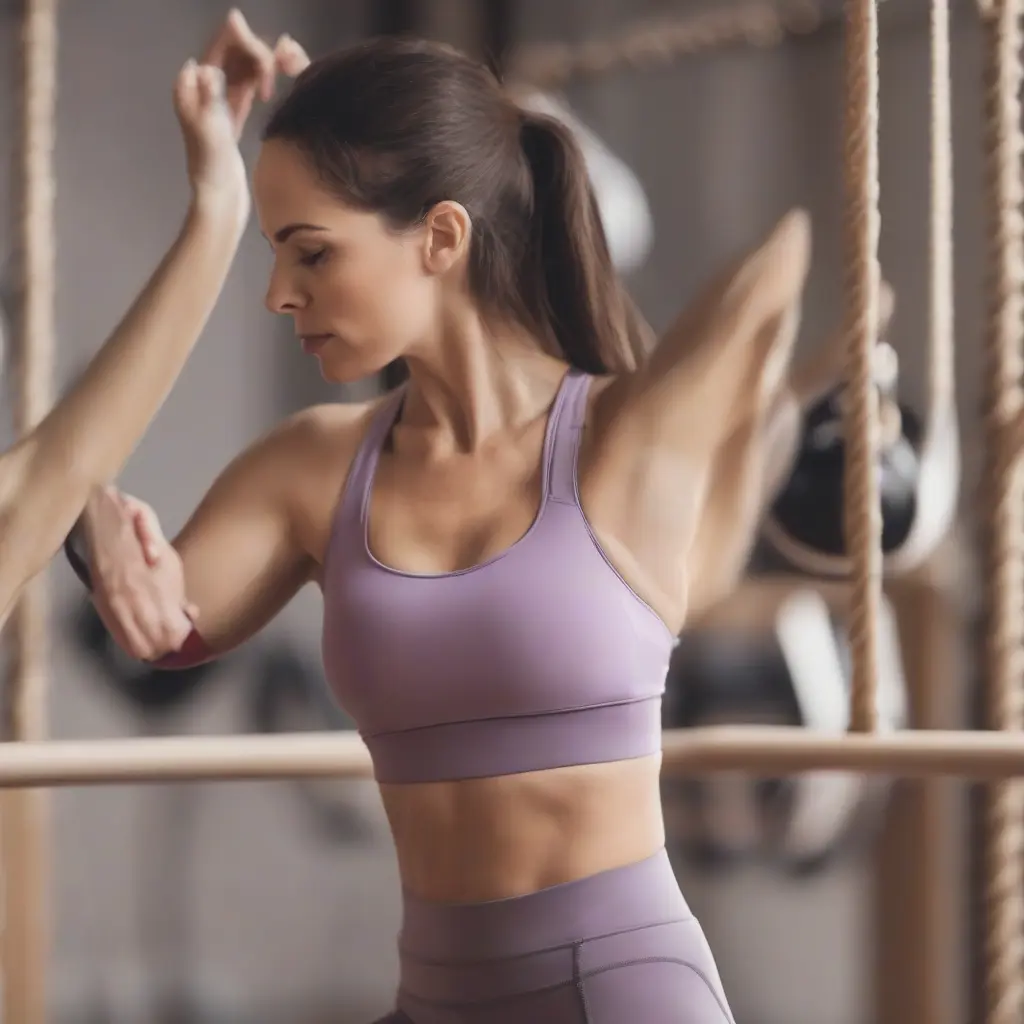
User preferences largely dictate fabric choices in sports bras, with many individuals having specific requirements based on activity level and personal comfort. Some may prioritize soft, breathable fabrics for yoga, while others might opt for sturdier materials for high-impact sports like running. It’s vital for brands to understand these preferences and offer a range of fabrics that cater to varying needs. Listening to consumers can foster innovation and enhancements in product offerings.
Conclusion
In summary, the fabric choice in sports bras plays a significant role in determining performance, comfort, and user satisfaction. With options ranging from moisture-wicking synthetics to eco-friendly materials, selecting the right fabric can enhance workout experiences. An informed choice can lead to better support, durability, and overall engagement in fitness activities. Athletes and fitness enthusiasts should consider all aspects of fabric performance to maximize their efforts and enjoyment.