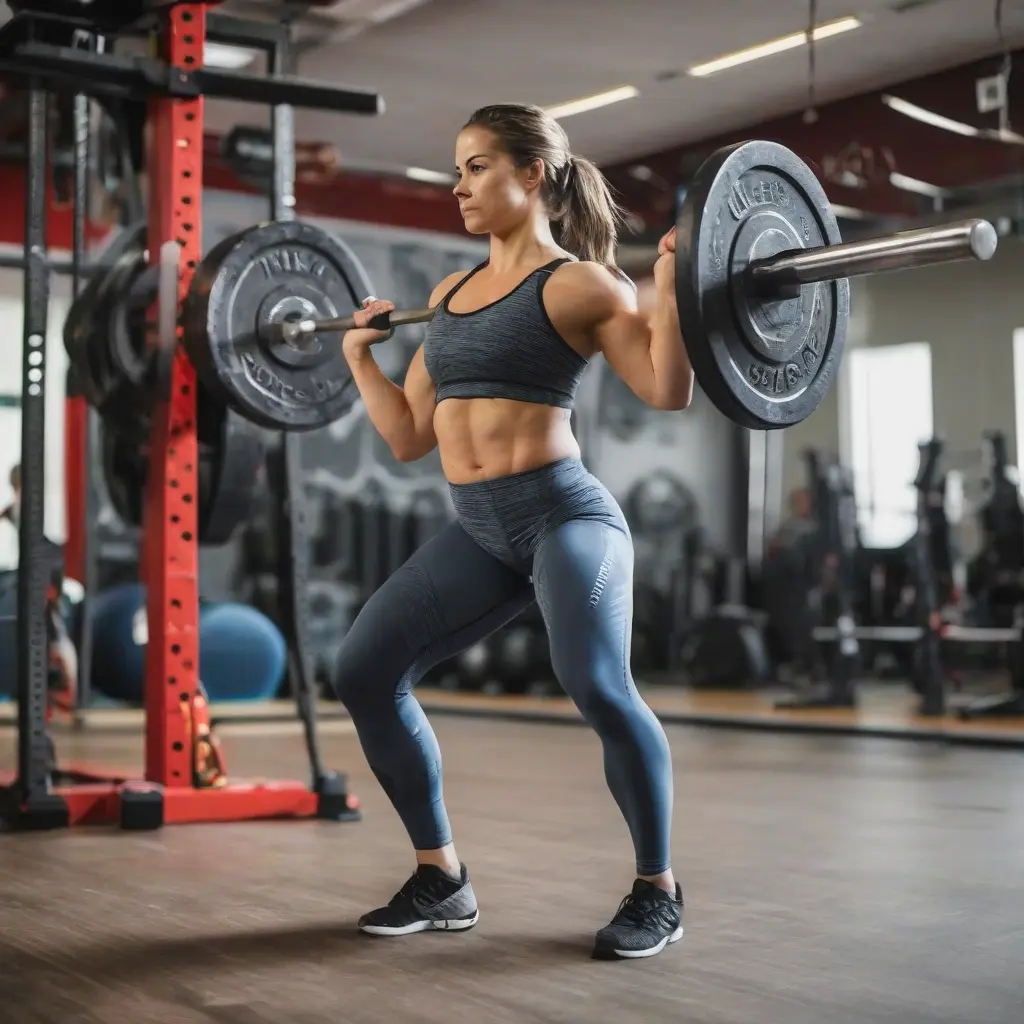
Breast pain during exercise can significantly impact a woman’s ability to engage in physical activity. This discomfort is often caused by the lack of proper support when participating in vigorous sports. Sports bras are specifically designed to mitigate this issue by providing the necessary support and stability for the breasts during movement. Understanding how sports bras function and their importance in preventing breast pain can empower women to make informed choices about their athletic wear. This article will delve into the anatomy of breast tissue, the types of sports bras available, and the impacts of proper fit and usage.
Understanding Breast Anatomy and Movement
To appreciate the role of sports bras, it’s essential to understand the anatomy of breast tissue. The breasts are composed of fatty tissue, glandular tissue, and connective tissue, making them vulnerable to movement during physical activities. When women exercise, particularly during high-impact activities, the breast tissue can move up to eight inches in various directions. This movement can lead to discomfort and pain if not adequately supported. Therefore, a well-fitted sports bra acts as a protective layer, minimizing breast movement and reducing the risk of pain.
Types of Sports Bras: Which One Is Right for You?
Sports bras come in several types, each designed to meet different activity levels and personal preferences. High-support bras are ideal for intense workouts such as running or aerobics, while medium-support options work well for activities like cycling or weightlifting. Additionally, there are low-support bras suitable for yoga or walking. Understanding the tiered nature of support can help individuals select the right type for their specific activities, ensuring that their breasts receive adequate support during exercise and helping to prevent associated discomfort.
How Sports Bras Prevent Breast Pain
The primary function of a sports bra is to minimize breast movement during exercise. By providing compression and support, these bras reduce the physical strain on breast tissue, which can alleviate pain. Furthermore, they offer additional features such as padded straps and wider bands that distribute weight evenly, enhancing comfort. Some sports bras feature moisture-wicking fabrics that keep the skin dry, further improving comfort during workouts. The thoughtful design of these garments plays a crucial role in reducing the risk of breast pain associated with vigorous physical activity.
The Importance of Proper Fit
A crucial aspect of a sports bra’s effectiveness lies in its fit. An ill-fitting sports bra can lead to increased movement and discomfort, undermining its purpose. It is essential to measure the band and cup size accurately and to try on several styles to determine which provides optimal support. Straps should be comfortable yet snug, while the band should remain level around the torso without riding up. Taking the time to find a well-fitting sports bra can dramatically enhance the overall exercise experience and significantly reduce the likelihood of breast pain.
The Impact of Fabric and Design
The choice of fabric and design in sports bras significantly affects their functionality and comfort. Many sports bras use materials that provide elasticity and breathability, which are crucial for high-performance workouts. Moisture-wicking fabrics help in maintaining dryness and reducing irritation during intense physical activities. Additionally, seamless designs can minimize chafing, a common concern for active women. By focusing on both material and design, sports bras can effectively support while enhancing the overall experience of physical activity.
Breast Pain Across Different Age Groups
Breast pain can affect women of all ages, but the causes and severity may differ across age groups. Younger athletes may experience discomfort due to rapid growth and changes in breast size, while older women might face pain related to hormonal changes or reduced skin elasticity. Regardless of age, understanding the role of sports bras in providing support is critical. Tailoring the choice of sports bra based on age-related factors can further enhance comfort during exercise and address specific needs effectively.
Choosing Sports Bras for Different Activities
Selecting the right sports bra often depends on the type of physical activity being pursued. For high-impact activities like running or jumping, look for bras that offer maximum support through encapsulation or compression. For lower-impact activities like Pilates, a medium-support bra may suffice. Furthermore, considering the duration of wear is also important; longer activities may require bras with better ventilation and comfort features. Tailoring your sports bra to your preferred activities can make a substantial difference in comfort and performance.
Addressing Myths About Sports Bras
There are several myths surrounding sports bras that can lead to misconceptions about their necessity. One of the most common is the belief that all bras provide the same level of support. However, regular bras do not offer the specialized support needed for physical activities. Another myth is that a tight sports bra is always better, but this can lead to discomfort and restrict movement. Understanding these myths helps in making informed choices that contribute to overall health and exercise effectiveness.
The Psychology of Comfort in Athletic Wear
The psychological aspect of comfort in athletic wear cannot be overlooked. A well-fitted sports bra can boost confidence, allowing women to focus on their performance rather than discomfort caused by inadequate support. Feeling secure and supported can enhance motivation, encouraging more consistent workout habits. As such, investing in a quality sports bra is not only a physical necessity but also a vital component of mental well-being during exercise.
Conclusion
In conclusion, the role of sports bras in preventing breast pain during exercise is multifaceted, encompassing aspects of design, fit, and individual activity level. Understanding these elements empowers women to select sports bras that effectively support their needs and enhance their overall exercise experience. By acknowledging the importance of proper support, women can engage in their favorite physical activities with greater confidence and comfort.