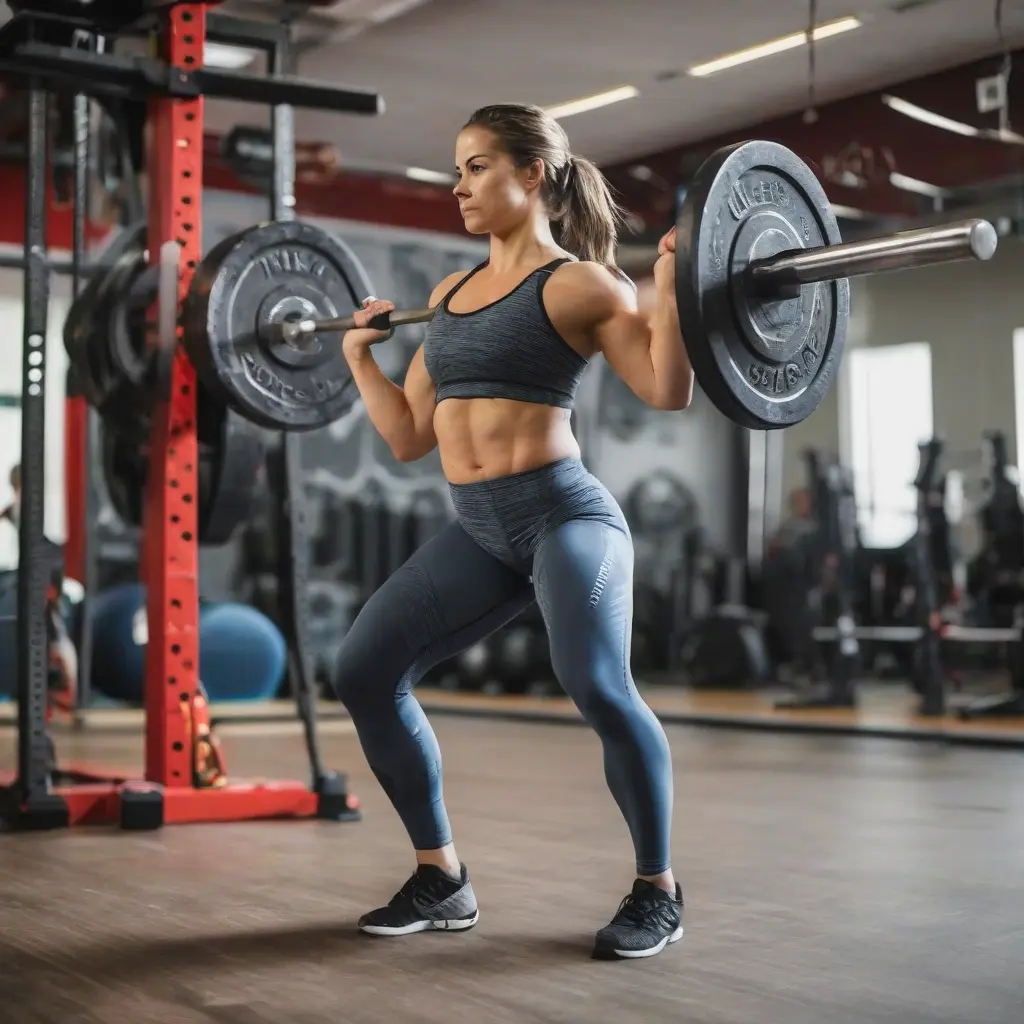
Understanding gym sets and their impact on workout performance is essential for anyone serious about fitness. Gym sets refer to the arrangement of exercises tailored to achieve specific training goals, such as building strength or enhancing endurance. The effectiveness of these sets can significantly influence the outcome of your workouts. By dissecting the various components of gym sets, including volume, intensity, and rest intervals, you can optimize your training routine. This article provides a detailed analysis of how gym sets can drive your performance in the gym and help you reach your fitness objectives.
The Importance of Structure in Workout Sets
A well-structured workout set is the foundation of an effective training program. Structured sets help dictate the flow of your workout, ensuring that each exercise complements the next. This careful arrangement allows for balanced muscle engagement and reduces the risk of injury. By segmenting workouts into distinct sets and exercises, athletes can strategically target different muscle groups, thus enhancing overall performance. Additionally, structured sets allow you to track progress more efficiently, adjusting your routine as necessary to meet evolving fitness goals.
Analyzing Volume in Gym Sets
Volume, defined as the total amount of work performed in a workout, plays a pivotal role in workout performance. Higher volume in gym sets typically means performing more repetitions and sets of an exercise. This greater workload can lead to increased muscle hypertrophy, promoting growth and strengthening. However, it’s essential to find a balance, as excessive volume without proper recovery can lead to fatigue and diminished performance. Tailoring volume based on individual fitness levels is crucial for maximizing benefits while minimizing the risk of overtraining.
Intensity’s Role in Enhancing Performance
Intensity measures the level of effort required to complete a set and is fundamental to maximizing workout performance. In gym sets, intensity can be manipulated through various techniques, including lifting heavier weights or minimizing rest periods. Higher intensity workouts stimulate greater neural activation and muscle recruitment, leading to improved strength and power gains. Furthermore, varying intensity levels within your sets can encourage adaptation and keep your training regimen engaging. Understanding how to regulate intensity allows you to push your limits safely and effectively.
The Impact of Rest Intervals on Training
Rest intervals are a critical yet often overlooked component of gym sets. The duration of rest between sets can directly affect workout performance, influencing factors such as muscle recovery and energy expenditure. Shorter rest intervals may enhance metabolic conditioning, allowing for improved endurance but potentially compromising full strength output. Conversely, longer rest periods allow for better recovery between sets, facilitating increased weight lifted or higher replication quality. Understanding how to effectively utilize rest intervals can tailor workout sessions toward specific fitness goals.
Targeting Specific Muscle Groups with Sets
Effective gym sets should strategically target specific muscle groups for balanced development. This targeted approach often involves splitting workouts into push and pull days or focusing on specific areas, such as legs or core. By concentrating on particular groups, you maximize muscle engagement and promote symmetry in your physique. Additionally, this method allows for individualized training plans that cater to personal strengths and weaknesses, enhancing overall performance. A focused workout not only aids in building strength but also contributes to your body’s functional capabilities.
Periodization: A Key Strategy for Performance
Periodization is a training strategy that involves systematically varying workout parameters—such as volume and intensity—over time. This approach helps prevent plateauing, keeps workouts engaging, and maximizes gains in both strength and endurance. Implementing periodization in gym sets allows for scheduled recovery phases, crucial for long-term progress. By cycling through different phases of training, you can adapt your workout to your body’s current state and goals, ultimately leading to enhanced performance and reducing the risk of injuries.
Incorporating Compound vs. Isolation Exercises
When designing effective gym sets, the choice between compound and isolation exercises significantly impacts performance. Compound exercises, which target multiple muscle groups simultaneously, can lead to more substantial strength gains and better hormonal responses. On the other hand, isolation exercises allow for focused work on specific muscles, perfect for addressing weaknesses or enhancing muscle symmetry. Combining both types into your gym sets ensures comprehensive muscle development and functional strength, improving overall workout quality and performance outcomes.
Listening to Your Body: Adaptations in Training
Adapting your gym sets based on feedback from your body is essential for maintaining performance and preventing injury. Monitoring how your body responds to various workout intensities, volumes, and rest intervals allows you to fine-tune your routines effectively. This approach includes recognizing signs of fatigue, discomfort, or lack of progress, which may require adjustments. By being attuned to your body’s needs, you can ensure that your workouts remain effective and promote continuous growth without unnecessary strain.
Testing and Evaluating Performance Progress
Regularly testing and evaluating performance progress is vital to ensure that your workout sets are effective. This process typically involves periodically assessing strength levels through exercises or tracking endurance via specific timed activities. By gathering data on your performance, you can identify improvement areas and adjust your gym sets accordingly. This strategy not only helps in maintaining motivation but also reinforces goal-oriented training, making your regimen more purposeful and aligned with your fitness objectives.
Conclusion
In summary, understanding the influence of gym sets on workout performance is crucial for achieving fitness goals. By meticulously structuring sets, analyzing volume and intensity, managing rest intervals, and adapting based on personal responses, athletes can enhance their training effectiveness. Incorporating targeted exercises and periodization strategies further rounds out impactful gym sets. Ultimately, a thoughtful approach to gym sets can lead to significant improvements in overall performance and a more rewarding fitness journey.