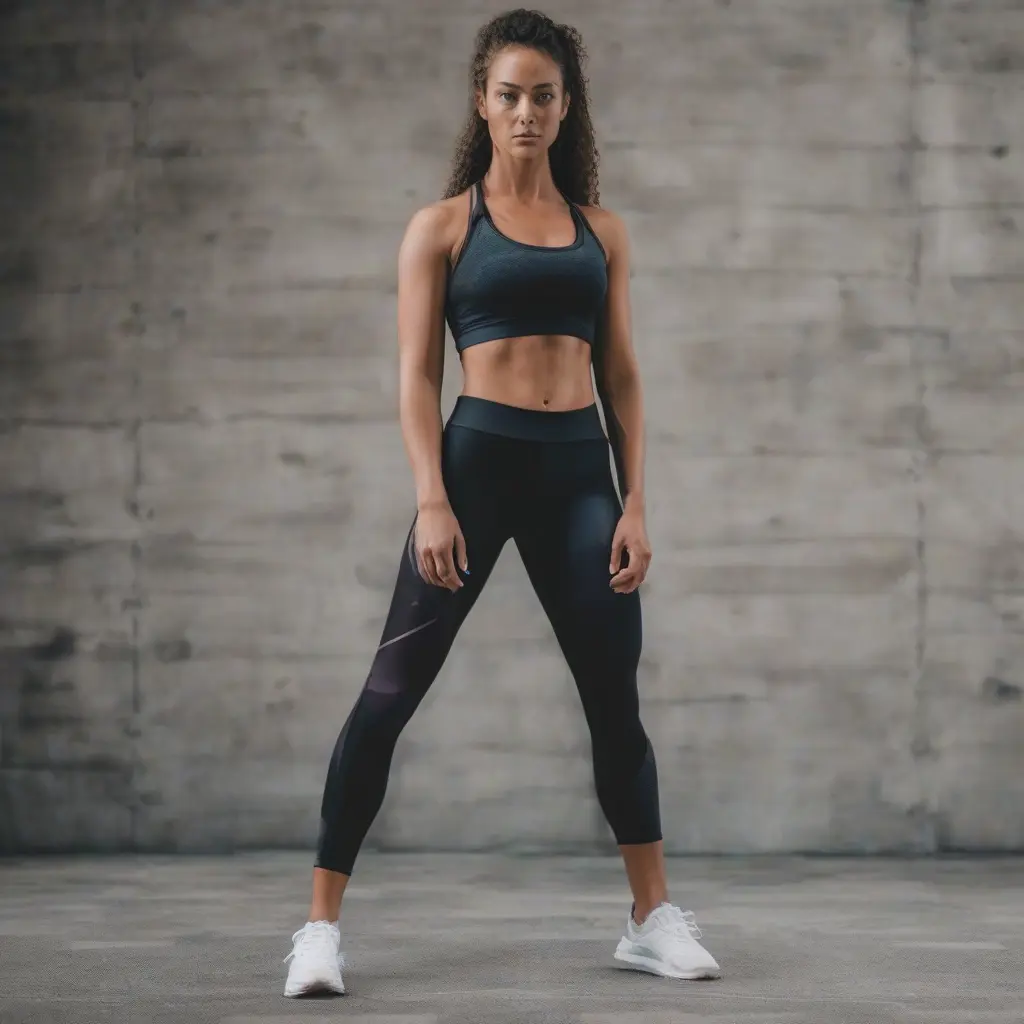
Leggings are a go-to staple in many wardrobes due to their comfort, versatility, and style. However, keeping them looking fresh and new requires proper care and maintenance. Understanding how to wash and care for leggings not only enhances their appearance but also extends their lifespan. In this guide, we will explore practical tips for washing, drying, and storing leggings, along with other maintenance strategies to ensure they remain your favorite go-to for years to come.
Understanding Legging Materials
Before diving into the washing and maintenance tips, it’s crucial to understand the materials that make up leggings. Common materials include polyester, nylon, spandex, and cotton blends, each requiring different care approaches. For instance, spandex adds stretch but may be sensitive to high heat, while polyester is generally more durable and easier to wash. Being aware of these material properties will guide you in choosing the best washing methods and products, preserving the fabric’s elasticity and overall quality.
Washing Leggings: Temperature Matters
When washing leggings, the water temperature you choose plays a significant role in their longevity. It’s advisable to wash leggings in cold water to prevent shrinking and fading. Hot water can damage the elastane fibers, leading to loss of elasticity and causing leggings to sag over time. Additionally, cold water is more environmentally friendly and energy-efficient, making it a better option overall. Always refer to the care label for specific washing instructions tailored to your leggings.
Choosing the Right Detergent
Selecting the appropriate detergent is vital for maintaining your leggings’ quality. Look for a mild, sports-specific detergent that is free from harsh chemicals. These products are designed to effectively remove odors and stains without damaging the fabric. Avoid fabric softeners, as they can build up on leggings and lead to reduced breathability and moisture-wicking capabilities. Reading the label before choosing a detergent helps ensure you select a product that aligns with your care goals.
Handwashing vs. Machine Washing
While machine washing is convenient, handwashing leggings can offer more gentle care. If you choose to handwash, fill a basin with cold water and add a small amount of detergent. Gently agitate the water to create suds, then submerge the leggings, ensuring they are fully submerged. Allow them to soak for about 10-15 minutes before rinsing thoroughly. For those opting for machine washing, use a delicate cycle and consider placing your leggings in a laundry mesh bag to minimize friction and snagging.
Drying Leggings: Air vs. Heat
Drying leggings should be approached with caution, as the method used can significantly impact the fabric. It’s recommended to air dry leggings by laying them flat on a clean towel or hanging them up. This method helps preserve the elasticity and prevent shrinkage. Avoid using a dryer, as high heat can break down the fibers and lead to unwanted pilling. If drying in a dryer is necessary, use a low heat setting and remove the leggings while still slightly damp to prevent over-drying.
Avoiding Fabric Softener and Bleach
When caring for leggings, it’s essential to avoid certain products that can harm the fabric. Fabric softeners and bleach can create a film on the leggings, reducing their moisture-wicking abilities and leading to discoloration. Instead, focus on using nature-friendly detergents designed for activewear. By steering clear of these harmful substances, you can maintain the function and appearance of your leggings over time, ensuring they continue to perform under any condition.
Storing Leggings Correctly
Proper storage of leggings contributes significantly to their longevity. Always fold your leggings neatly rather than hanging them, which can cause stretching and distortion of the fabric. Store them in a cool, dry place away from direct sunlight to prevent fading. Utilizing drawer organizers can further keep them neatly arranged, minimizing wrinkles and helping maintain their shape. Following these storage tips will ensure your leggings remain in top condition, ready for use whenever you need them.
Dealing with Pilling and Snags
Pilling and snags may occur over time, particularly in leggings made from certain materials. To address pilling, use a fabric shaver or a lint roller to gently remove any unwanted fuzz. For snags, carefully trim the offending thread without pulling, ensuring not to create any further damage. Regularly inspecting your leggings for these issues can help you maintain their appearance and functionality. Taking prompt action against pilling and snags ensures your leggings continue to look their best.
Seasonal Maintenance Checks
Conducting seasonal maintenance checks on your leggings can help identify any wear and tear before it escalates. Examine the seams, waistbands, and fabric for signs of damage or deterioration. It’s wise to repair small tears or seams as soon as possible to prevent further damage. Additionally, wash your leggings before storing them away for the season, ensuring they are clean from sweat and dirt, which can break down fibers over time. This proactive approach will extend the life of your leggings significantly.
Knowing When to Replace Leggings
No matter how well you care for your leggings, they will eventually need to be replaced. Signs that it’s time for a new pair include persistent fading, loss of elasticity, or noticeable pilling that compromises the legging’s feel and performance. If the fabric becomes sheer, especially in high-friction areas like the thighs, it may also be time for a replacement. Understanding these indicators will help you maintain a well-functioning wardrobe while ensuring that you always have high-quality pieces to wear.
Conclusion
Caring for leggings through proper washing and maintenance can significantly extend their lifespan and keep them looking great. By understanding the materials used, choosing the right washing methods, and storing them correctly, you can ensure your favorite leggings remain in top shape. By being proactive in their care and addressing issues like pilling and snags promptly, you can enjoy the comfort and style of your leggings for years to come.