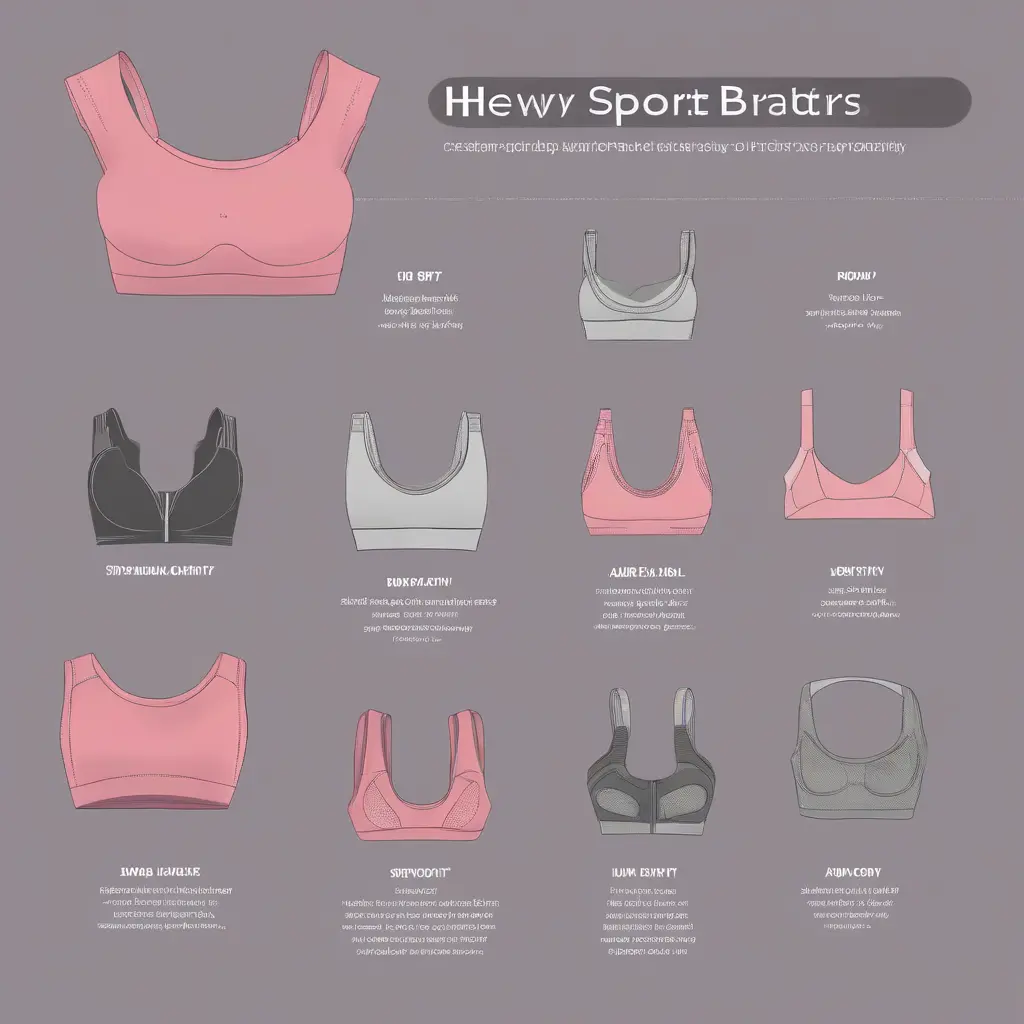
Choosing the right sports bra is essential for both comfort and support during physical activity. Lightweight and heavy-duty sports bras each serve different purposes and cater to specific types of exercises and body types. Lightweight sports bras focus on breathability and flexibility, making them ideal for low-impact activities like yoga or walking. In contrast, heavy-duty sports bras offer maximum support for high-impact sports such as running or aerobics. Understanding the differences can help you select the appropriate style based on your workout needs and personal comfort.
Understanding Lightweight Sports Bras
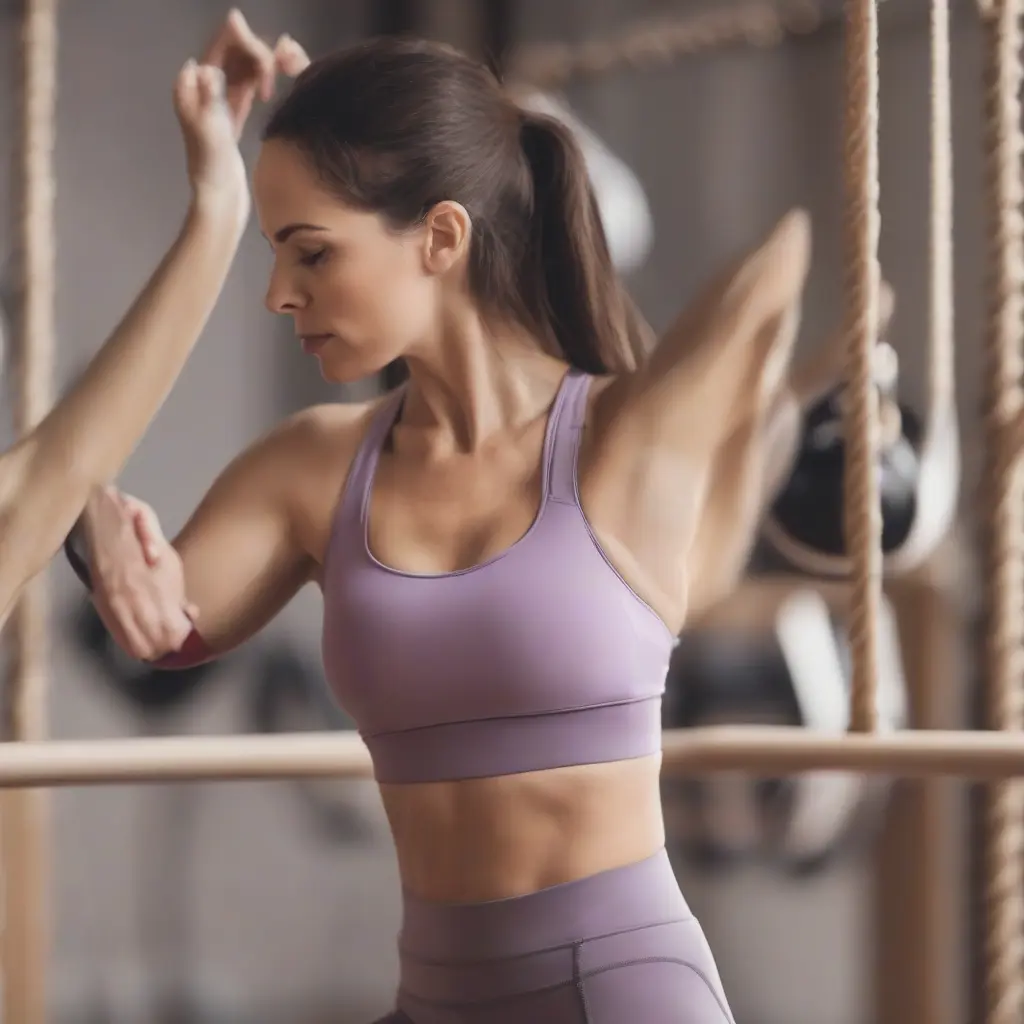
Lightweight sports bras are designed to provide minimal coverage and maximum breathability. They often feature softer fabrics and fewer seams, which enhances comfort and reduces chafing during low-impact exercises. Ideal for activities like yoga, pilates, and casual running, these bras allow for a full range of motion without the bulk of heavier materials. Though they provide less support compared to their heavy-duty counterparts, lightweight bras can often be sufficient for those engaging in activities that don’t require high levels of stabilization.
Benefits of Lightweight Sports Bras
The primary benefit of lightweight sports bras lies in their comfort and flexibility. These bras typically utilize moisture-wicking fabrics that help keep the body cool and dry, enhancing overall workout performance. The designs usually include features like soft straps and seamless construction, making them suitable for extended wear without discomfort. Additionally, lightweight options can be more affordable, and they tend to come in a variety of stylish designs and colors, allowing wearers to express their personal style while staying active.
When to Choose a Lightweight Sports Bra
Lightweight sports bras are best suited for activities that involve low to moderate intensity. These include yoga, light jogging, walking, and stretching routines. If your workouts are less intense and don’t involve significant bouncing or jumping, a lightweight option can provide adequate support. Furthermore, they are excellent for everyday wear, especially during warmer weather or casual outings. Understanding your activity level and comfort preferences can guide you in choosing a lightweight sports bra that meets your needs.
Understanding Heavy-Duty Sports Bras
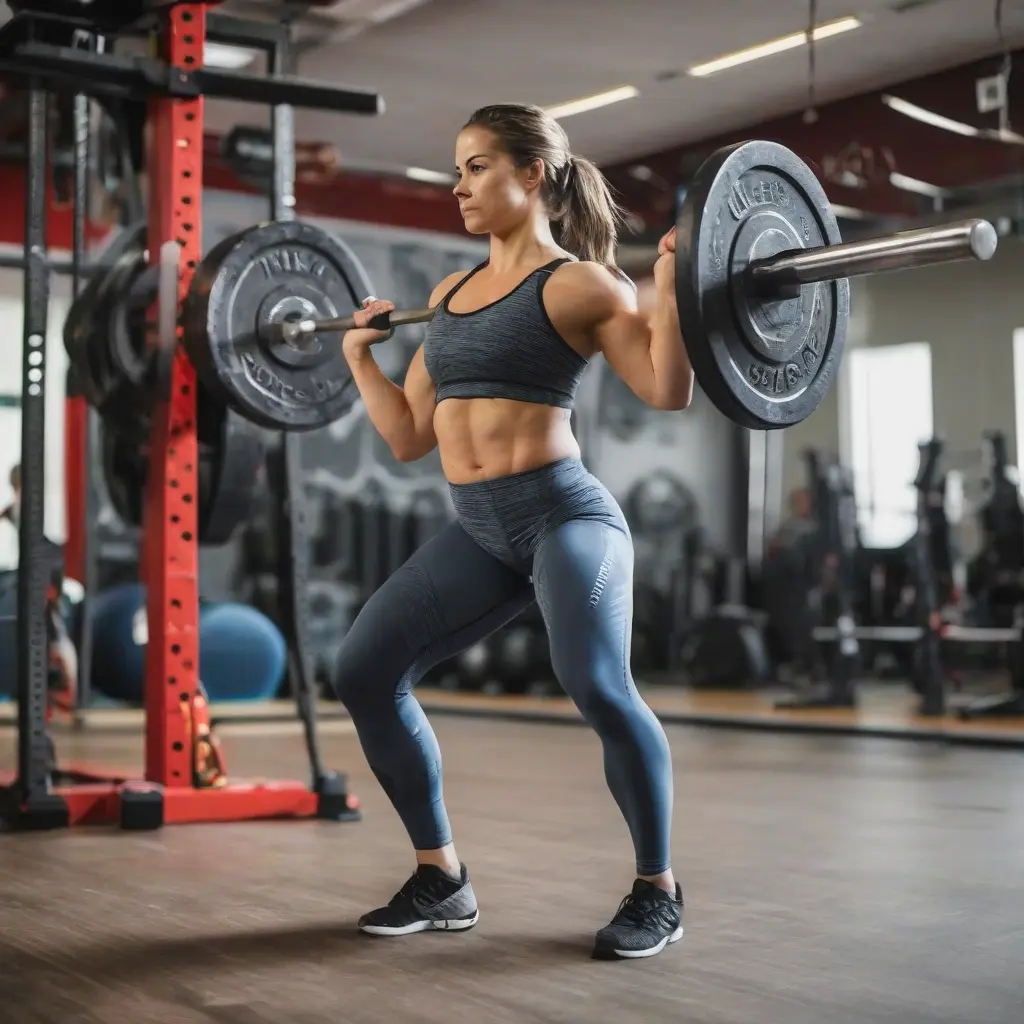
Heavy-duty sports bras are engineered for maximum support and stability, particularly during high-impact workouts. These bras typically incorporate thicker materials and additional features such as underwire, wider straps, and built-in padding. Their construction is designed to minimize movement and prevent discomfort during activities like running, aerobics, or high-intensity interval training (HIIT). If you engage in sports that require significant body support, heavy-duty bras can provide the necessary reinforcement to keep you comfortable and focused on your performance.
Benefits of Heavy-Duty Sports Bras
The advantages of heavy-duty sports bras are most evident during high-impact workouts. These bras provide robust support, significantly reducing breast movement and discomfort. Their sturdy materials often feature advanced moisture-wicking properties, ensuring that you remain dry and comfortable throughout intense activities. Additionally, heavy-duty sports bras are designed with durability in mind, offering long-lasting wear even under rigorous conditions. This reliability makes them a wise investment for athletes and fitness enthusiasts who consistently engage in demanding workouts.
When to Choose a Heavy-Duty Sports Bra
Opting for a heavy-duty sports bra is essential when engaging in high-impact sports such as running, jumping, or circuit training. If your routine involves a lot of movement that can cause discomfort or strain, heavy-duty bras are designed to secure your breasts effectively. They are also beneficial for larger bust sizes, as they provide the necessary support and prevent excessive bouncing. When selecting a sports bra for more intense workouts, consider both the level of impact and your specific body type to ensure optimal support and comfort.
Key Differences Between Lightweight and Heavy-Duty Sports Bras
The fundamental differences between lightweight and heavy-duty sports bras revolve around their intended use, level of support, and material composition. Lightweight bras prioritize breathability and flexibility for low-impact activities, while heavy-duty bras focus on stability and support for high-impact workouts. Fabric densities, strap types, and internal features also differ significantly between the two categories. Understanding these distinctions is crucial for athletes and casual exercisers alike, as selecting the right bra can enhance both comfort and performance during physical activities.
How to Choose the Right Sports Bra
Choosing the right sports bra involves considering various factors, including your body type, workout intensity, and personal comfort preferences. Start by assessing the types of activities you regularly engage in. For low-impact activities, lightweight options might suffice, while heavy-duty bras are essential for high-impact sports. Additionally, pay attention to sizing and fit, as improper sizing can lead to discomfort or inadequate support. Trying on different styles and paying attention to materials and features will help you find a sports bra that meets your needs.
Styles and Features to Consider
When selecting a sports bra, it’s important to evaluate the different styles and features available. Many lightweight bras come in styles such as racerback and cropped, providing varying degrees of coverage. For heavy-duty bras, options may include underwire, adjustable straps, and reinforced seams for extra support. Consider factors like color, design, and motion control features, as these can also influence your comfort level and aesthetic preferences. By understanding what each style offers, you can make an informed decision that aligns with your workout regime.
Maintaining Your Sports Bras
Proper maintenance of your sports bras is crucial for extending their lifespan and ensuring optimal performance. Always follow the care instructions on the label, as many bras require gentle washing to preserve their materials and structure. Avoid using fabric softeners or bleach, as these can degrade the fabric’s elasticity and moisture-wicking properties. Additionally, it’s wise to rotate your bras, allowing them to rest between workouts and maintain their shape. Regularly checking for wear and tear ensures you have effective support during your workouts.
Conclusion
In conclusion, selecting between lightweight and heavy-duty sports bras hinges on individual workout routines, body types, and comfort levels. Understanding the specific features, benefits, and recommended uses for each type can greatly enhance your fitness experience. By carefully considering your needs and preferences, you can make an educated choice that will ensure both comfort and support during any physical activity, ultimately aiding in your overall performance and enjoyment.