

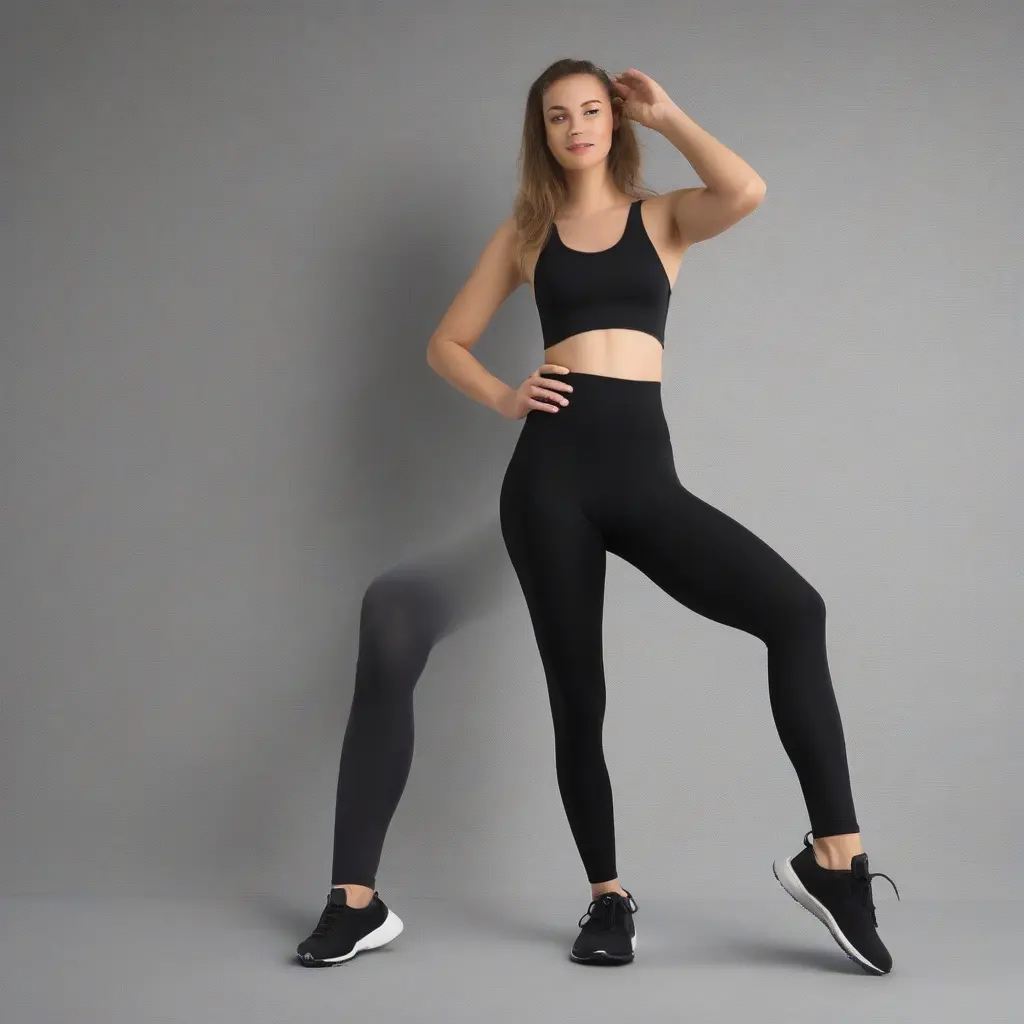
Leggings have become a wardrobe staple due to their versatility, comfort, and stylish appeal. However, understanding the fabric used in leggings is crucial for making informed purchasing decisions. Common materials like nylon and spandex each possess unique characteristics that affect performance, fit, and durability. This article delves into the fabrics commonly used in leggings, enabling readers to navigate their options wisely and choose the best fit for their lifestyle and needs.
What is Nylon Fabric?
Nylon is a synthetic fabric known for its strength, durability, and lightweight properties. As a popular choice for leggings, nylon offers excellent stretchability, allowing for freedom of movement during workouts or daily activities. Additionally, nylon resists moisture absorption, making it suitable for high-intensity workouts. Its smooth texture also contributes to comfort, while various finishes can enhance its breathability. Overall, nylon is an excellent option for leggings, especially for those seeking both function and style.
The Role of Spandex in Leggings
Spandex, also known as elastane or Lycra, is often blended with other fabrics to provide exceptional elasticity and shape retention. This means leggings with spandex can stretch without losing their original form, delivering a snug fit that flatters various body shapes. Moreover, spandex is moisture-wicking, ensuring comfort during physical activities by moving sweat away from the skin. Given its impressive stretchability and quick-drying properties, spandex significantly enhances the performance of leggings, making them a favorite among athletes and fitness enthusiasts.
Understanding Polyester in Leggings
Polyester is another synthetic fabric frequently used in leggings for its durability and resistance to shrinking or fading. This material offers a good balance between comfort and performance, making it suitable for both casual wear and athletic use. Polyester leggings are often lightweight, breathable, and moisture-wicking, catering to those engaged in vigorous activities. Additionally, this fabric is easy to care for, often machine washable and quick to dry, adding to its appeal for everyday and active wear scenarios.
The Benefits of Cotton Leggings
Cotton leggings provide natural comfort and breathability, making them ideal for casual, everyday wear. They are soft against the skin, allowing for extended wear without discomfort. While cotton lacks some moisture-wicking properties found in synthetic fabrics, many cotton leggings are blended with other materials such as spandex to enhance elasticity and fit. This blend helps maintain shape while delivering the softness inherent to cotton. Overall, cotton leggings are perfect for lounging or casual outings, offering a comfortable yet stylish option.
Blends: The Perfect Combination
Leggings often feature fabric blends, combining several materials to leverage their best attributes. For instance, a common blend is cotton and spandex, which offers the comfort of cotton along with the elasticity of spandex. Such blends enhance fit and performance, catering to diverse activities and preferences. Another popular combination is polyester, nylon, and spandex, which provides durability, moisture-wicking, and stretch. By selecting leggings made with fabric blends, consumers can enjoy the advantages of multiple materials in one versatile garment.
Finding the Right Leggings for You
Choosing the right leggings involves considering both fabric types and personal preferences. Think about your primary activities—whether workout-focused or casual outings—as different fabrics excel in various contexts. If you engage in high-intensity workouts, leggings with higher nylon and spandex content are ideal for their elasticity and moisture-wicking properties. Conversely, if comfort is paramount and you seek casual wear, consider cotton blends for their softness and breathability. Ultimately, selecting the right fabric will enhance your wearing experience.
Care Tips for Leggings Fabric
Proper care is essential for maintaining the lifespan and appearance of your leggings. Always check the care label for specific washing instructions, as different fabrics may require unique handling. Generally, it’s advisable to wash leggings in cold water and avoid harsh detergents to prevent wear and tear. Air drying is also recommended to retain the integrity of the elastic fibers, especially in materials like spandex. Following these care tips helps ensure that your leggings remain in great condition, enhancing their longevity and performance.
Conclusion
Understanding the various fabrics used in leggings, such as nylon, spandex, polyester, and cotton, equips consumers to make informed decisions. By considering the characteristics and benefits of each fabric type, you can select leggings that not only fit your style but also support your lifestyle activities. Whether you prefer the durability of nylon or the comfort of cotton, knowing your options will enhance your wearing experience and keep you comfortable and stylish.


