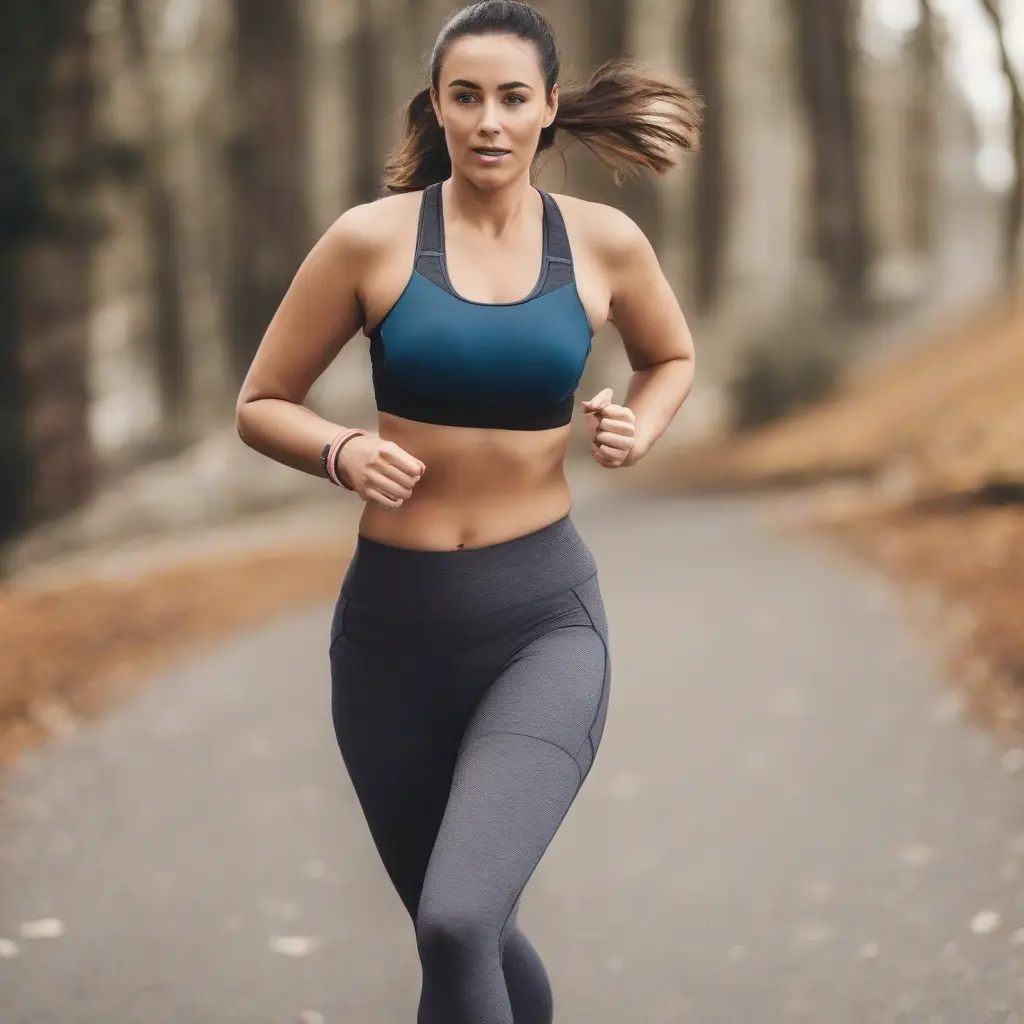
Chafing during workouts can be a significant issue for many fitness enthusiasts, particularly for women. A properly chosen sports bra plays a crucial role in preventing this discomfort. The right sports bra not only provides essential support but also minimizes friction against the skin, which can lead to chafing. Understanding the key features, materials, and sizes available can help you make an informed decision. In this article, we will explore how to avoid chafing by selecting the ideal sports bra tailored to your needs.
Understanding Chafing and Its Causes
Chafing occurs when skin rubs against skin or clothing, causing irritation and discomfort. During physical activities, friction is heightened, especially in areas where the sports bra sits. Common causes include moisture, repetitive movements, and materials that do not wick away sweat effectively. By understanding these factors, you can take specific steps to mitigate the likelihood of chafing, which often results in painful rashes or abrasions. Addressing these concerns starts with a careful evaluation of your sports bra options.
Choosing the Right Material
The material of a sports bra greatly affects its ability to prevent chafing. Look for fabrics that are moisture-wicking, breathable, and stretchy. Common materials like nylon, polyester, and spandex often provide the best combination of comfort and performance. Avoid cotton, as it tends to hold moisture, increasing friction. Opting for a blend that combines these materials can enhance both support and dryness, making your workout experience much more comfortable.
Finding the Correct Fit
Wearing a poorly fitting sports bra can cause significant discomfort and lead to chafing. It’s essential to measure your bust accurately to find the right size, considering both band and cup size. The band should fit snugly without digging into the skin, while the cups should fully encase your breasts. Make sure to try on different styles and sizes, as many brands have distinct sizing. A well-fitting sports bra provides the necessary support while reducing movement that can lead to friction.
Selecting the Right Style
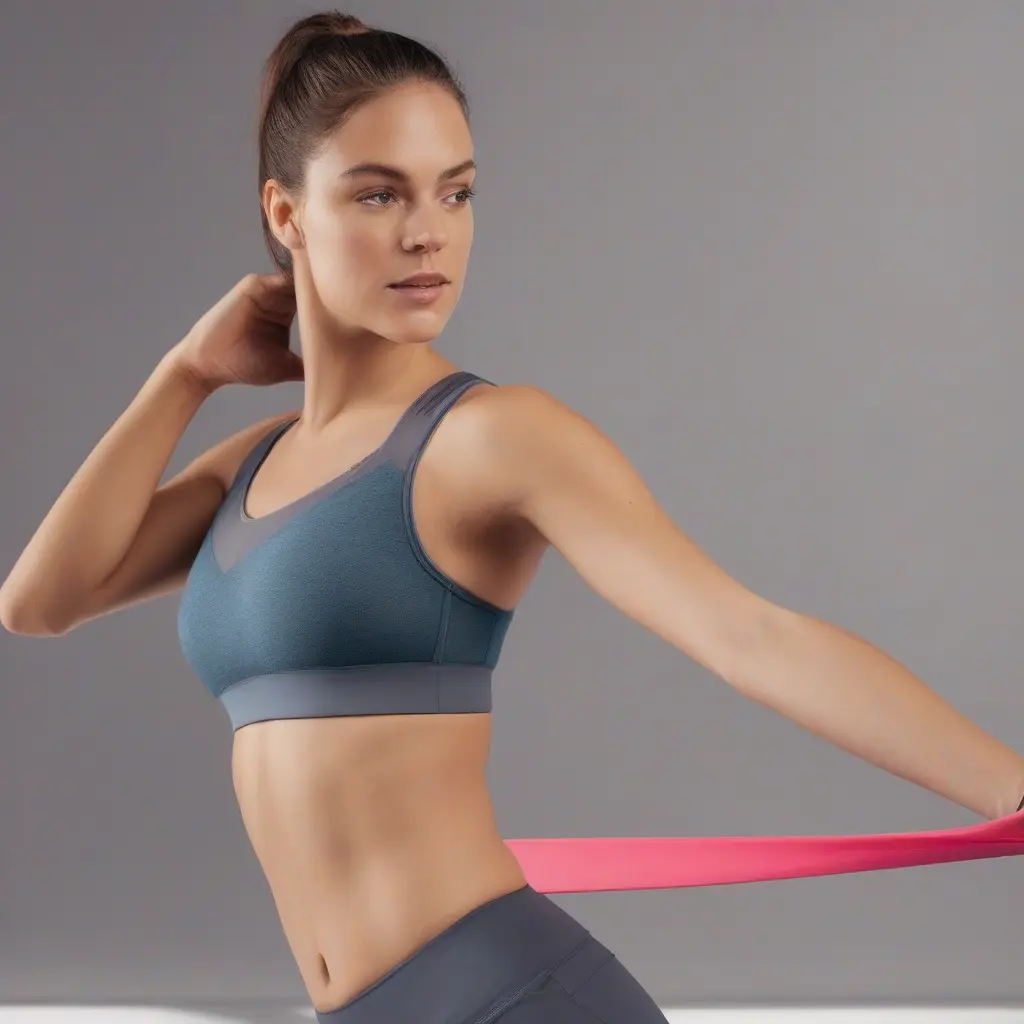
Sports bras come in various styles, including compression, encapsulation, and combination bras. Compression bras, which press the breasts against the chest, are suitable for low-impact activities, while encapsulation bras, which have individual cups, offer better support for high-impact exercises. Depending on your workout intensity, choosing the appropriate style can significantly impact comfort levels and minimize chafing risks. Assess your workout routine to ensure your chosen style meets your activity requirements.
Consider Seamless and Tagless Designs
Seams and tags can be common sources of irritation, especially during rigorous exercise. Opting for seamless and tagless designs can help reduce friction against the skin, creating a smoother surface under your activewear. Many brands offer these types of bras, which not only enhance comfort but also create a streamlined look under clothes. This minimalistic approach to design can make a significant difference in preventing chafing and ensuring a pleasant workout experience.
Testing the Bra During Workouts
Before committing to a sports bra, it’s wise to test it during your workout routine. Pay attention to how it feels during various movements, ensuring that it stays in place and does not slide or shift. This trial will also help you identify any potential chafing spots. Engaging in your typical exercise attire while wearing the bra will give you a clearer picture of how it functions. If it feels comfortable and provides the support you need, it’s a good choice.
Regularly Updating Your Sports Bra
Sports bras should be replaced regularly, as wear and tear can diminish their effectiveness in providing support and preventing discomfort. Look for signs of wear, such as stretched bands or compromised elastic. Depending on usage frequency, consider updating your sports bras every six months to a year. Keeping a rotation of fresh bras ensures optimal function during workouts, ultimately helping to avoid chafing and maintain peak performance.
Exploring Specialized Sports Bras
For specific activities, specialized sports bras may offer unique benefits that contribute to chafing prevention. For example, bras designed for running may have additional support features, while those intended for yoga might emphasize flexibility and comfort. Investigating these options can lead you to a product that fits your needs perfectly. Researching industry-specific recommendations can help you find the best solutions to keep chafing at bay while enjoying your exercise routine.
Understanding Your Body Type
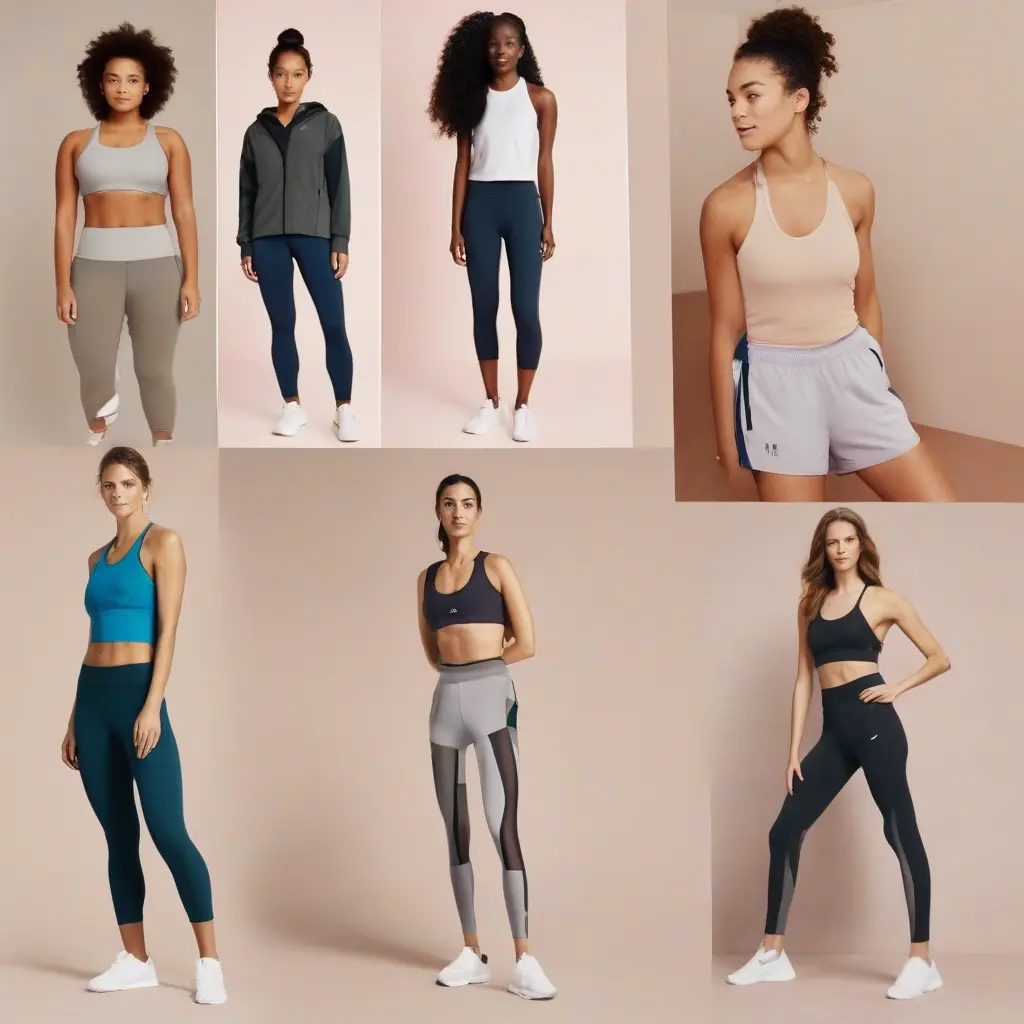
Every individual has a unique body type that influences how a sports bra fits and functions. Understanding your body’s shape and size can help you select a bra that accommodates your needs. For example, larger cup sizes may benefit from a bra with added support, while smaller cup sizes might focus on minimizing excess fabric. Recognizing the distinctions between body types will guide you toward making informed choices that prevent chafing while offering optimal support.
Conclusion
Selecting the right sports bra is crucial for preventing chafing during physical activity. By understanding material choices, proper fit, and the importance of style, you can significantly enhance your workout experience. Prioritizing seamless designs and regularly updating your gear will lead to improved comfort and performance. Ultimately, investing time in choosing the right sports bra will pay off by allowing you to focus on your fitness goals without the distraction of discomfort.