

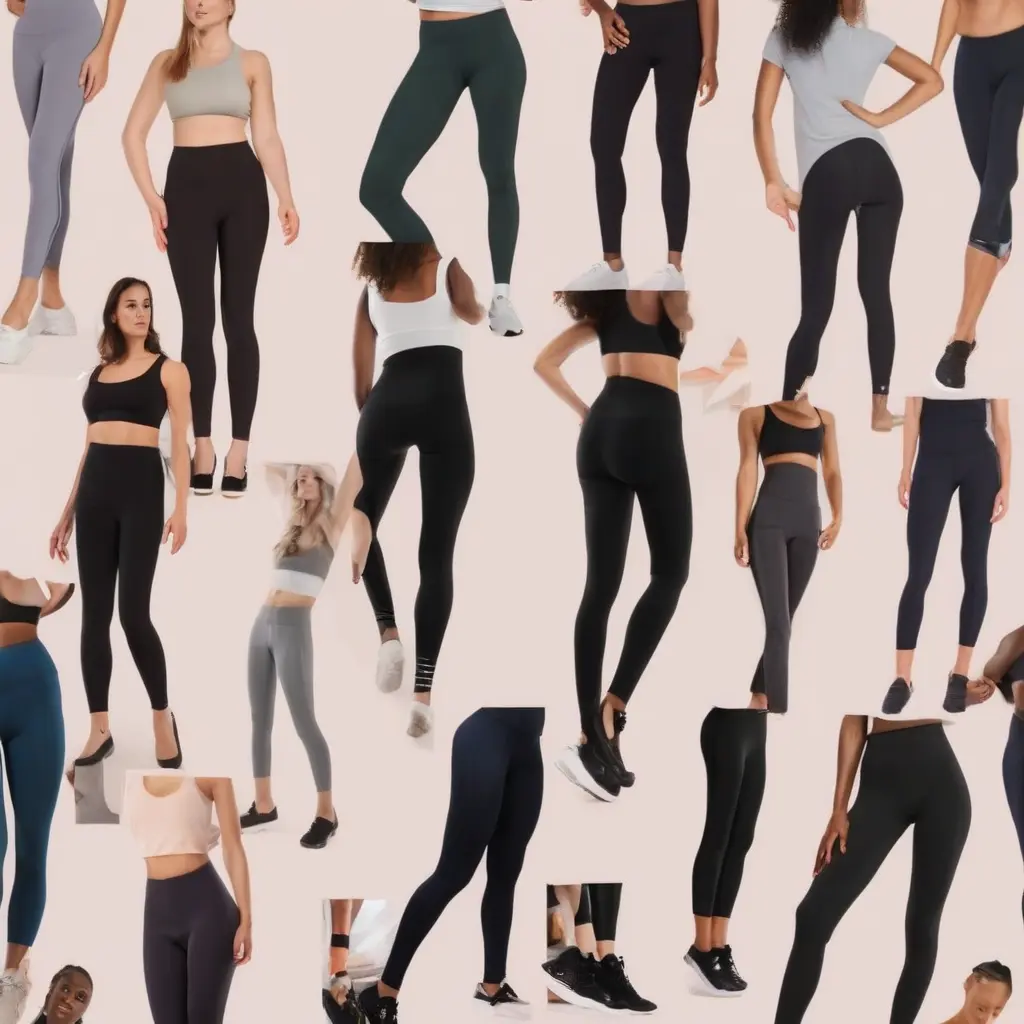
Finding the right size leggings is essential for both comfort and style. With various brands and styles available, it can often be confusing to determine which size is truly right for you. Many factors come into play, such as material, fit, and personal preference. This guide will provide insights into common sizing mistakes, how to measure yourself accurately, and tips to ensure that your leggings not only fit well but also enhance your overall appearance.
Understanding Legging Sizes
Legging sizes are not standardized across brands, making it essential to understand what each size means. Sizes typically range from XS to XL and beyond, but the measurements associated with these sizes can vary. It’s crucial to check sizing charts specific to the brand you’re considering. Additionally, different styles, such as high-waisted or capri-length, may influence how a size fits. Familiarizing yourself with these nuances helps in making informed decisions while shopping.
Measuring Yourself for the Perfect Fit
Accurate measurements are vital for finding the perfect fitting leggings. To measure yourself, use a soft measuring tape and track your waist, hips, and inseam. Start by measuring your waist at its narrowest point, then measure around the fullest part of your hips. For the inseam, measure from the top of your inner thigh to your ankle. Comparing these measurements with a brand’s sizing chart will guide you towards selecting the right size leggings.
Common Sizing Mistakes to Avoid
One of the most common sizing mistakes is relying solely on your usual clothing size. Because legging sizes can vary significantly between brands, it is crucial to check the specific sizing chart and adjust accordingly. Another mistake is not considering different materials, as certain fabrics have varying levels of stretch and give. Additionally, buying leggings without trying them on can often lead to errors in size selection, resulting in discomfort or unflattering fits.
The Importance of Stretch and Fabric
The type of fabric and its stretch capacity plays a significant role in how leggings fit. Fabrics such as spandex and polyester often offer more elasticity, making them more forgiving in size. It’s essential to consider the fabric blend, as cotton leggings may fit differently due to less stretch. Always read product descriptions to understand the material composition, helping you choose leggings that will not only fit comfortably but also retain their shape over time.
Trying Before You Buy: The Best Approach
Whenever possible, try on leggings before making a purchase. This allows you to assess the fit, comfort, and style in real-time. If shopping online, consider ordering multiple sizes and styles to test at home. Ensure you walk, bend, and sit to check the comfort level and whether the leggings maintain their shape. Many retailers have flexible return policies, which can alleviate the stress of buying the wrong size, making it easier to find your perfect fit.
Reading Customer Reviews
Customer reviews can provide valuable insights into sizing and fit. Many shoppers share their personal experiences with fitting, helping you gauge whether to size up or down. Pay attention to reviews that mention height, weight, and body type, as these factors can influence fit. Look for feedback on how the leggings performed after several wears and washes, as this will give you an idea of the product’s durability. Ultimately, informed decisions from other consumers can guide your sizing strategy.
Understanding Different Styles of Leggings
Leggings come in various styles, each with its fit and function. High-waisted leggings offer better coverage and support, particularly during workouts. Meanwhile, capri leggings can be a comfortable choice for warmer weather or specific athletic needs. Understanding the purpose of each style can help you make more informed sizing choices, as some styles may fit differently around the waist or legs. Knowing your fashion priorities will further refine your choice.
The Impact of Size on Comfort
The size of your leggings significantly impacts both comfort and function. Choosing the wrong size can lead to issues like chafing, rolling, or even restricting movement. Well-fitted leggings should provide support without being skin-tight, allowing freedom of movement for various activities. Be mindful of how leggings fit when you’re active; this will help ensure the longevity of the fabric and maintain an overall flattering look, especially during exercises.
Conclusion
Finding the right size leggings requires careful consideration of multiple factors, including measurements, style, and fabric. By understanding your body’s measurements and the nuances of different brands, you can avoid common sizing mistakes. Prioritizing comfort alongside fit is essential for both everyday wear and athletic activities. Ultimately, a well-fitted pair of leggings can enhance your wardrobe and boost your confidence.


