

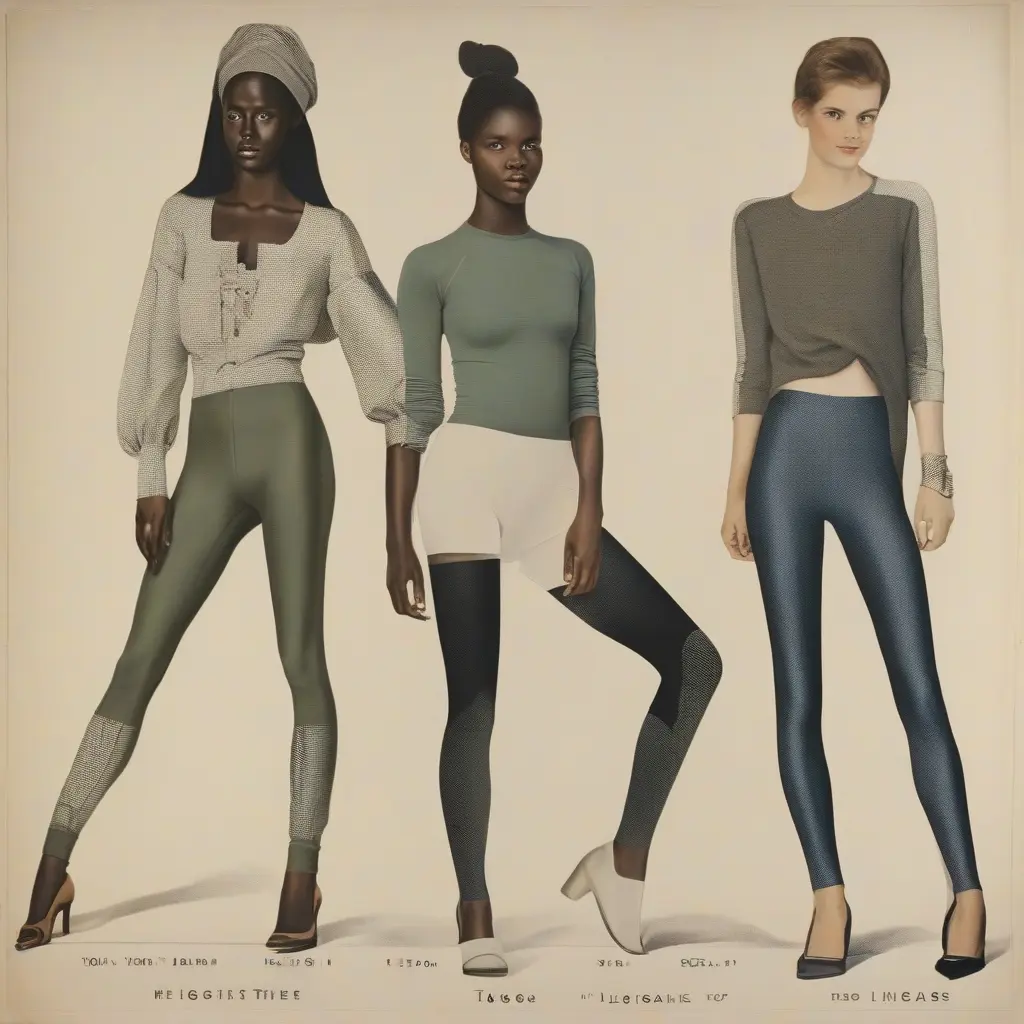
Leggings have transitioned significantly from their utilitarian origins to becoming a fashion staple in wardrobes around the world. Over centuries, these versatile garments have evolved not just in style but also in cultural significance. Initially worn for practical purposes, leggings have adapted to various fashion trends and societal changes. This article delves into the history of leggings, tracing their journey from ancient times to contemporary fashion, highlighting key developments, societal shifts, and influential figures who championed their adoption.
The Origins of Leggings
Leggings can be traced back to ancient civilizations, where they served a functional role in clothing. The earliest forms appeared in the Middle Ages, mainly worn by men as a form of trousers underneath tunics. Made from natural fibers, these garments were practical for mobility, especially in noble and warrior classes, allowing for ease during combat and daily activities. Their design was predominantly utilitarian, reflecting the needs of the time rather than any specific aesthetic value.
19th Century: The Rise of the Modern Legging
In the 19th century, leggings began to garner attention as women’s fashion evolved. Initially introduced in the form of bloomers, these garments allowed women increased freedom of movement while participating in physical activities, including sports and biking. The adoption of bloomers by early feminists marked a significant social shift, challenging conventional notions of women’s attire. This period indicated the beginning of leggings’ journey towards becoming more than just practical wear, slowly integrating into the fashion narrative.
The 1960s and 70s: Leggings Become a Fashion Statement
The 1960s and 70s marked a pivotal era for leggings as they transitioned into fashionable attire, largely influenced by the rise of youth culture and active lifestyles. The introduction of stretchy fabrics, particularly Lycra and spandex, revolutionized leggings, allowing them to hug the body comfortably. Iconic figures, such as Audrey Hepburn in ‘Breakfast at Tiffany’s’ and the advent of the disco scene, propelled leggings into mainstream fashion, associating them with modernity, freedom, and a bold sense of self-expression.
The Aerobics Craze of the 1980s
The aerobics movement in the 1980s further solidified leggings as essential workout wear. Fitness icons like Jane Fonda popularized leggings, integrating them into the personal fitness routines of countless individuals. Bright colors and bold patterns became synonymous with leggings, creating a striking contrast to the drab workout gear of previous decades. This period not only popularized leggings for exercise but also established them as a versatile option that could transition from the gym to everyday wear, enhancing their mainstream appeal.
The 1990s: A Fashion Staple
The 1990s ushered in a new wave of fashion where leggings became staples in the wardrobes of diverse demographic segments. They were frequently paired with oversized tees and crop tops, forming the cornerstone of grunge and pop culture aesthetics. Designers, such as Gianni Versace, further elevated leggings by incorporating them into high fashion shows, proving their adaptability to various fashion settings. This era signified the democratization of leggings, where comfort met style across various demographics.
The 2000s: Leggings as Everyday Wear
By the 2000s, leggings evolved into a foundational garment for women across different age groups, becoming increasingly ubiquitous in everyday wear. Retail markets flooded with various styles, from high-waisted to patterned options, catering to a wide range of personal styles. Celebrities and influencers embraced leggings in their casual and even semi-formal outfits, further cementing their status. Brands began innovating with materials and designs, transforming leggings into multi-functional pieces that could fit seamlessly into any wardrobe.
The Athleisure Movement
The rise of athleisure in the 2010s marked another significant chapter in the history of leggings. Blurring the lines between athletic wear and casual fashion, leggings became synonymous with comfort, style, and versatility. Prominent brands like Lululemon and Athleta emerged, focusing on high-quality, stylish leggings suitable for both workouts and casual outings. The increasing acceptance of leggings as everyday wear highlighted a cultural shift towards prioritizing comfort without sacrificing aesthetics, revolutionizing how leggings were perceived.
Sustainable Leggings in Today’s Fashion
In recent years, the fashion industry has seen a rising consciousness regarding sustainability, and leggings are no exception. Many brands are now focusing on eco-friendly materials and production methods, appealing to environmentally-conscious consumers. Innovations include leggings made from recycled materials and organic fabrics, reflecting a shift towards sustainability without compromising on style or functionality. This new trend indicates that as leggings continue to evolve, they hold potential to contribute positively to the fashion industry’s environmental footprint.
Cultural Impact of Leggings
Leggings have transcended their origins to become catalysts for broader cultural discussions surrounding body image, femininity, and personal choice in fashion. Their popularity has sparked debates about their appropriateness in various settings, revealing underlying societal attitudes towards women’s clothing. These discussions highlight how leggings represent not just a fashion trend, but also a form of personal expression, empowerment, and freedom, contributing to the ongoing dialogues about diversity and inclusivity in fashion.
Leggings in the Future
Looking ahead, leggings are likely to continue evolving, influenced by technological advancements and changing societal norms. The integration of smart textiles and wearable technology may redefine functionality, making leggings adaptable to various situations, especially in fitness and leisure. Moreover, the ongoing conversation around inclusivity suggests that brands will continue to enhance sizing and styles to cater to a broader audience. This innovation suggests that leggings will remain at the forefront of fashion for years to come, continually adapting to modern lifestyles.
Conclusion
The evolution of leggings underscores a complex journey through history, culture, and fashion. From their utilitarian beginnings to their status as fashion essentials, leggings reflect societal changes and cultural movements over time. As fashion continues to evolve, leggings are poised to remain relevant, offering both style and comfort, while also engaging in critical conversations about body image and sustainability in the modern world.


