Compression clothing has become increasingly popular among athletes and gym-goers alike, prompting a discussion about its effectiveness. Many believe that wearing compression gear during workouts can lead to benefits such as improved performance and faster recovery. The science behind compression garments suggests that they may enhance blood circulation, reduce muscle vibration, and aid in post-exercise recovery. However, varying opinions exist on just how significant these benefits are. This article delves into the role of compression in gym sets to uncover whether it truly makes a difference for fitness enthusiasts.
Understanding Compression Garments
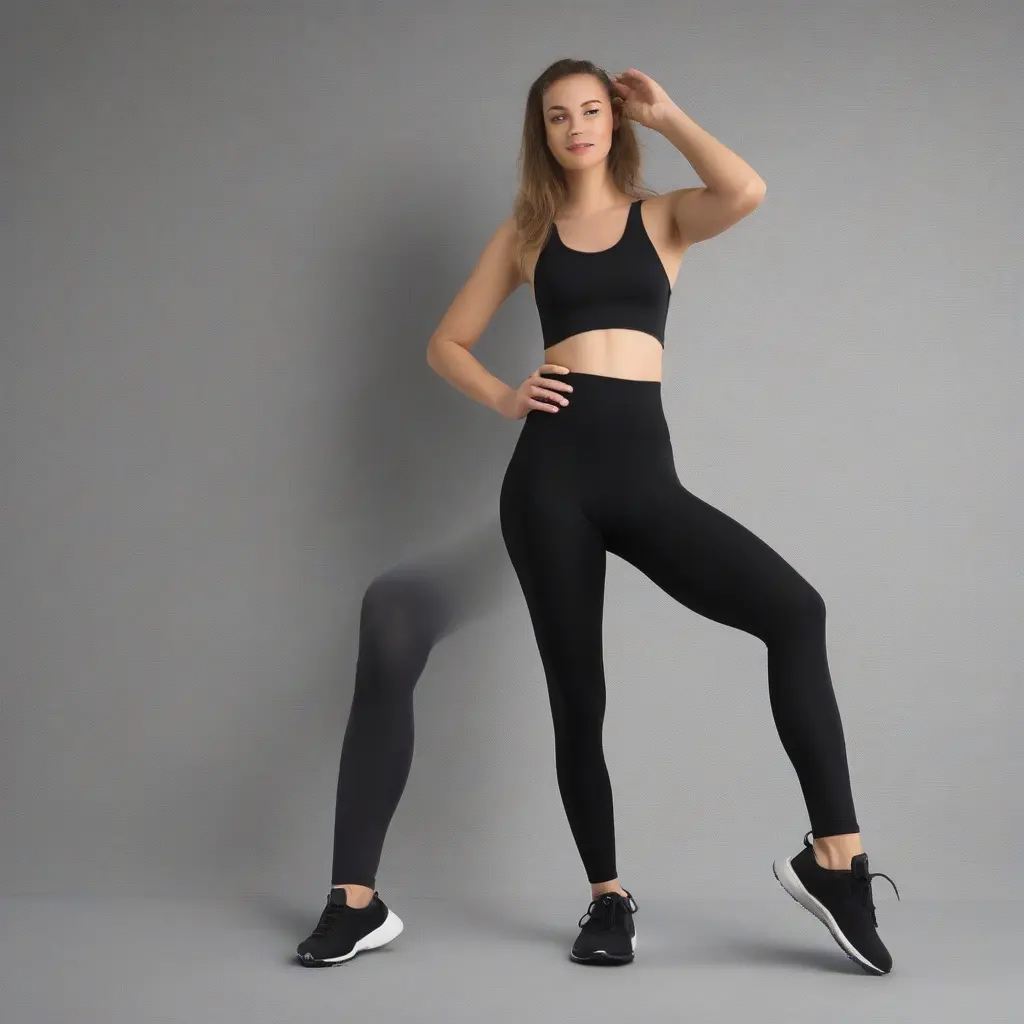
Compression garments are designed to fit tightly against the skin, providing support to muscles and joints during physical activity. These garments range from tops and shorts to socks and sleeves, catering to different areas of the body. Their primary function is to enhance circulation, which in turn helps deliver oxygen-rich blood to active muscles. Additionally, they may help minimize the accumulation of lactic acid post-exercise, potentially mitigating muscle soreness. By understanding the science behind these garments, athletes can make informed decisions about whether to incorporate them into their routines.
Benefits of Wearing Compression During Workouts
Many athletes report various benefits from wearing compression clothing during their workouts. One of the most cited advantages is the potential improvement in performance, as compression gear is believed to provide muscle support and stability. This support may reduce the risk of injury by limiting excessive muscle movement and vibrations that can lead to strains. Moreover, athletes often claim that they experience less fatigue, allowing them to maintain intensity throughout their training sessions. Such benefits can make a significant difference for individuals looking to optimize their gym performance.
The Effect of Compression on Muscle Recovery
Research indicates that compression gear may play a vital role in muscle recovery after intense workouts. After exercise, muscles experience micro-tears that need to heal, which can lead to discomfort and soreness. Compression clothing may help with this recovery process by enhancing blood flow, thereby expediting the delivery of nutrients needed for muscle repair. Some studies suggest that individuals wearing compression garments report less delayed onset muscle soreness (DOMS), allowing them to bounce back faster and return to their regular training schedules sooner.
Compression for Injury Prevention
Injury prevention is a crucial aspect of any fitness regimen, and many athletes turn to compression gear to support this goal. By providing a firm and supportive fit, these garments help stabilize muscles and reduce the risk of strains and sprains during various exercises. They can be particularly beneficial during high-impact activities where the joints and muscles are under substantial stress. While compression wear isn’t a guaranteed safeguard against injuries, it can be a helpful tool in preserving overall physical health.
Common Misconceptions About Compression Gear
Despite its growing popularity, several misconceptions about compression gear persist. One common myth suggests that wearing compression clothing will automatically enhance athletic performance without other contributing factors, such as training and nutrition. In reality, compression gear should complement a well-rounded fitness plan rather than serve as a standalone solution. Another misconception is that all compression garments are created equal; in truth, the effectiveness can vary based on factors like fit, material, and design. Understanding these misconceptions is essential for individuals evaluating the use of compression wear.
Choosing the Right Compression Gear
Selecting the appropriate compression gear involves considering several factors, including the level of compression and the intended use. Compression should provide enough support without causing discomfort, as overly tight gear may restrict movement or circulation. Additionally, individuals should select garments based on their specific activities, whether it’s weightlifting, running, or recovery. Choosing high-quality materials that allow breathability is also critical, especially during high-intensity workouts. A thoughtful approach to selecting compression gear can enhance its benefits and improve overall workout experiences.
Integration into Workout Routines
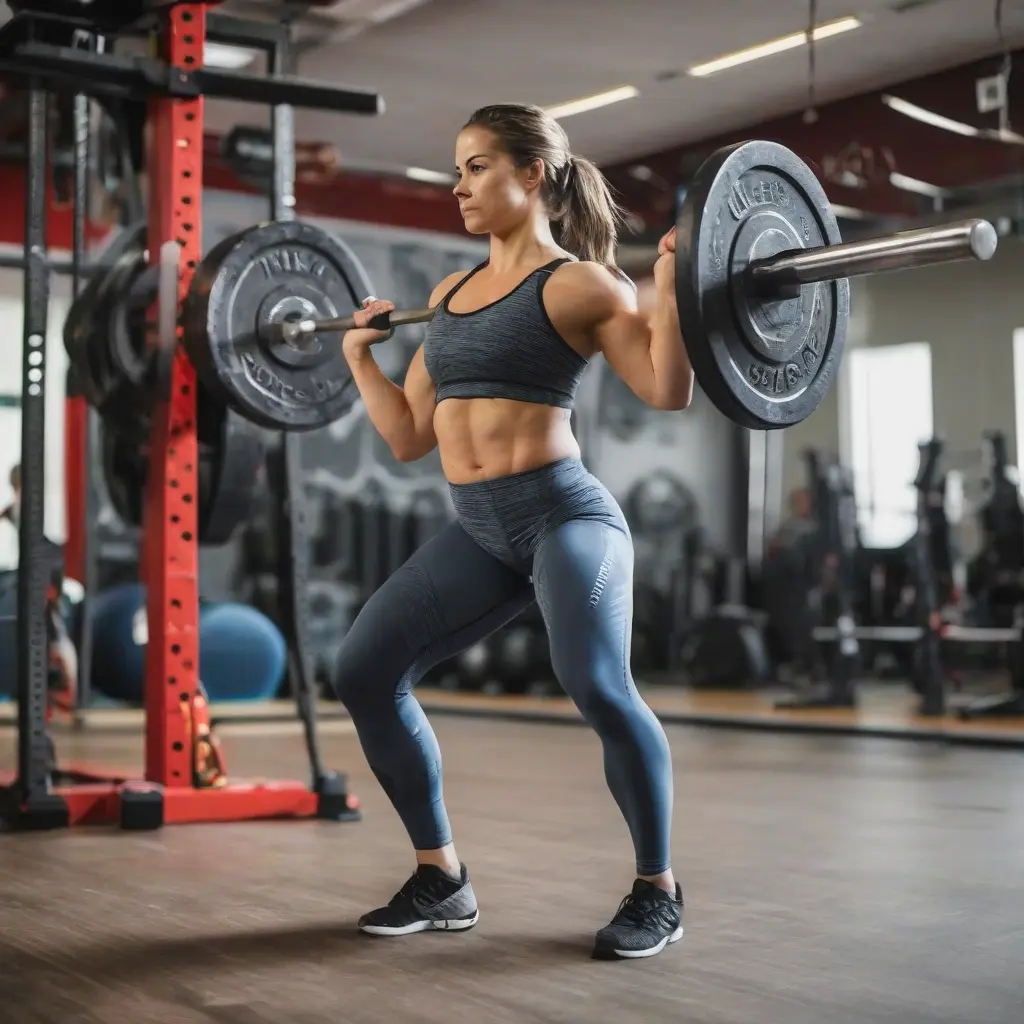
Incorporating compression gear into workout routines can vary from one individual to another. Some athletes prefer to wear it during training sessions, while others may choose to use it during recovery phases. For those participating in endurance sports or high-intensity workouts, wearing compression socks or sleeves may offer specific benefits. Conversely, those focused on weight training may find compression tops and shorts more advantageous. Understanding personal needs and preferences can lead to a more effective integration of compression wear into fitness regimens.
Research and Studies on Compression Efficacy
Scientific studies surrounding the efficacy of compression wear yield mixed results, which can complicate the user experience. While some research supports its benefits in areas like performance enhancement and recovery, other studies express skepticism regarding its overall impact. Factors such as sampling, methodology, and study design can contribute to these variances in findings. Athletes interested in using compression garments should consider reviewing the latest research to gain a balanced perspective and make an informed decision regarding their use.
Conclusion
In conclusion, the role of compression in gym sets has garnered attention for its potential benefits in performance, recovery, and injury prevention. While scientific evidence supports some of these claims, individual experiences may vary. Athletes must consider their personal goals and preferences when deciding whether to incorporate compression gear into their routines. Ultimately, when used thoughtfully and in conjunction with a comprehensive fitness plan, compression garments may offer valuable support on the fitness journey.