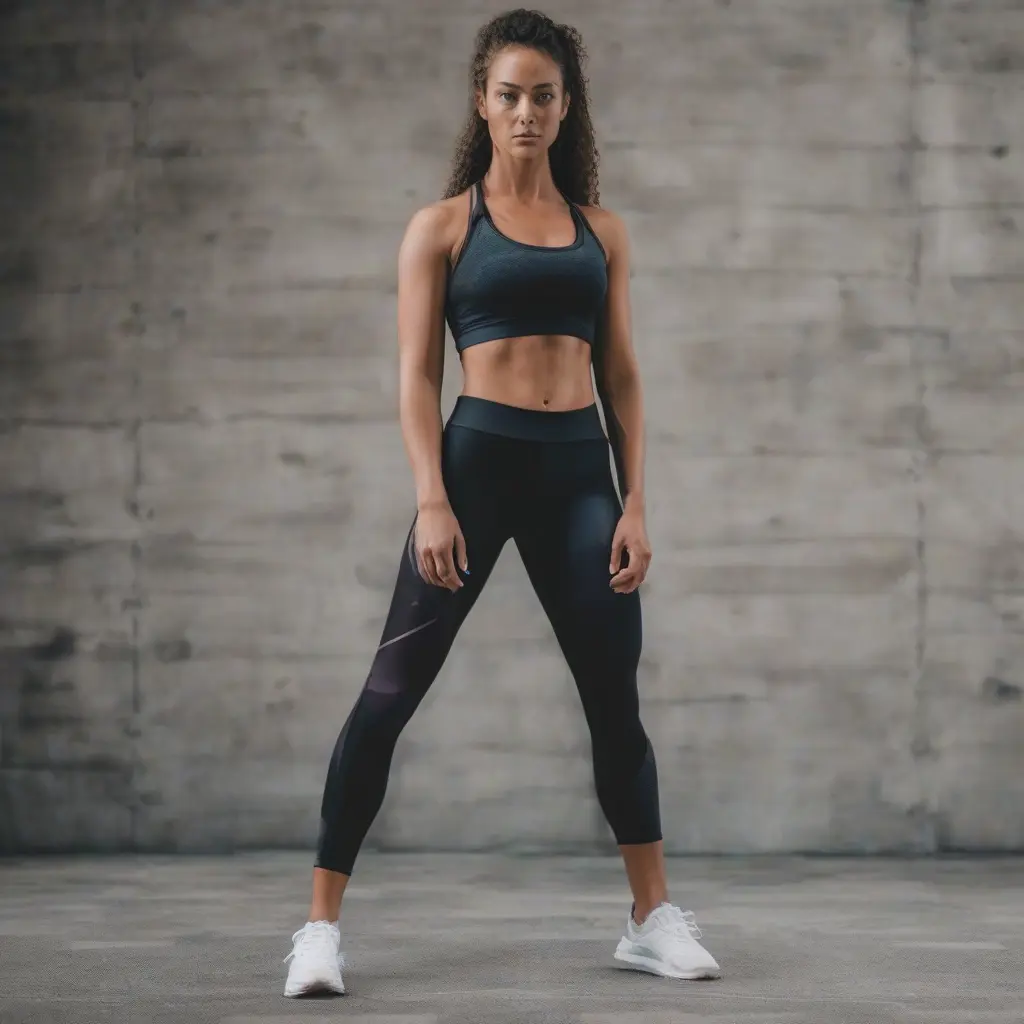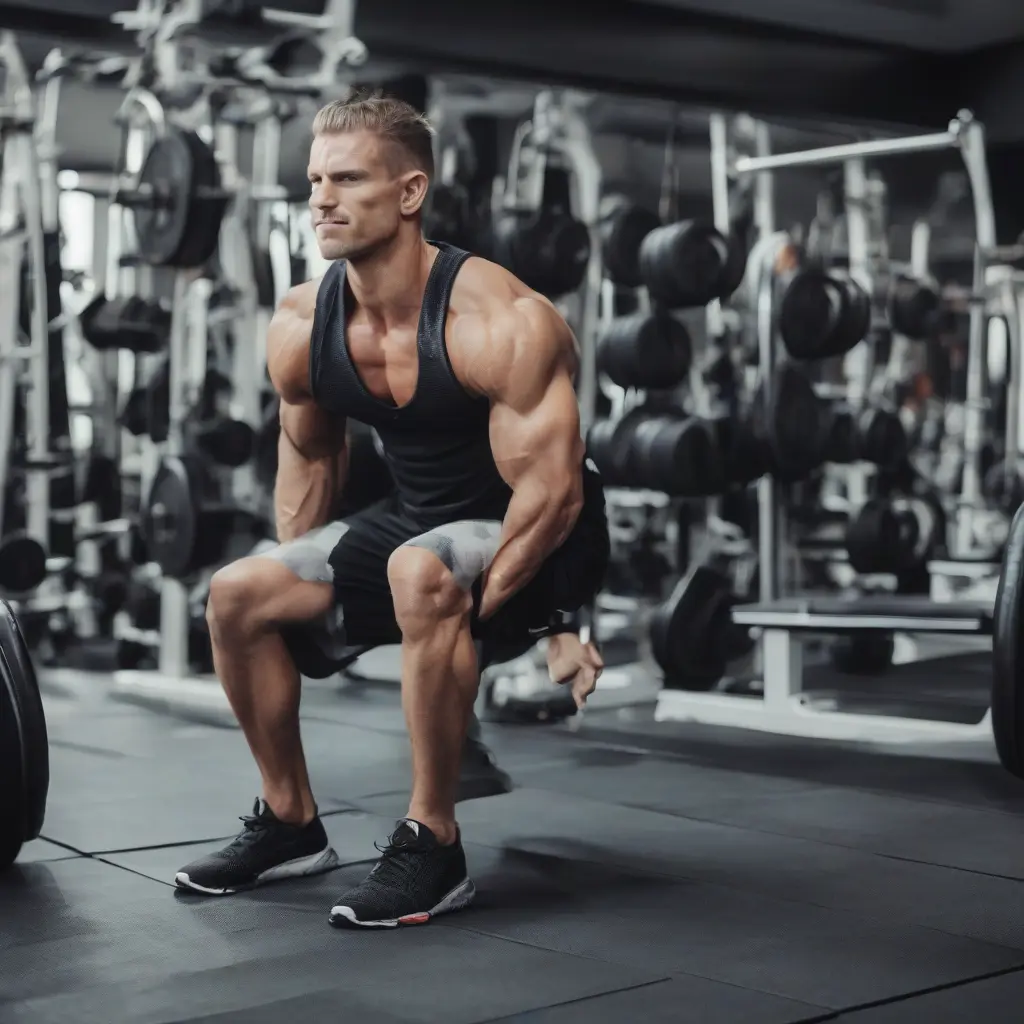
Transitioning from casual to serious workouts involves more than just increased effort; it requires an upgrade in your gym set to support advanced training. As you evolve in your fitness journey, investing in high-quality equipment becomes crucial. This not only enhances your performance but also helps prevent injuries. Whether you’re focusing on strength training, cardio, or flexibility, the right gear can make a significant difference. Understanding what equipment is essential and how to choose the best options will set you on the path to success in your fitness goals.
Understanding Your Fitness Goals
Before upgrading your gym set, it’s vital to clarify your fitness goals. Are you aiming to build muscle, increase endurance, or enhance flexibility? Each of these objectives requires different types of equipment. For muscle building, you may focus on weights and resistance machines, while endurance training would require cardio machines like treadmills or stationary bikes. By identifying your goals, you can strategically choose equipment that aligns with your workout plans, ensuring that your investment supports your desired outcomes effectively.
Assessing Your Current Equipment
Take stock of your existing gym set before making any purchases. Evaluate the quality, versatility, and durability of your equipment. Some items may still serve you well, while others could hinder your progress. For instance, if your weights are too light or your cardio machine is outdated, it may be time to replace them. Understanding what you currently have allows you to make informed decisions about what you truly need to upgrade. This assessment is crucial in maximizing your investment for a more serious workout approach.
Choosing Free Weights vs. Machines
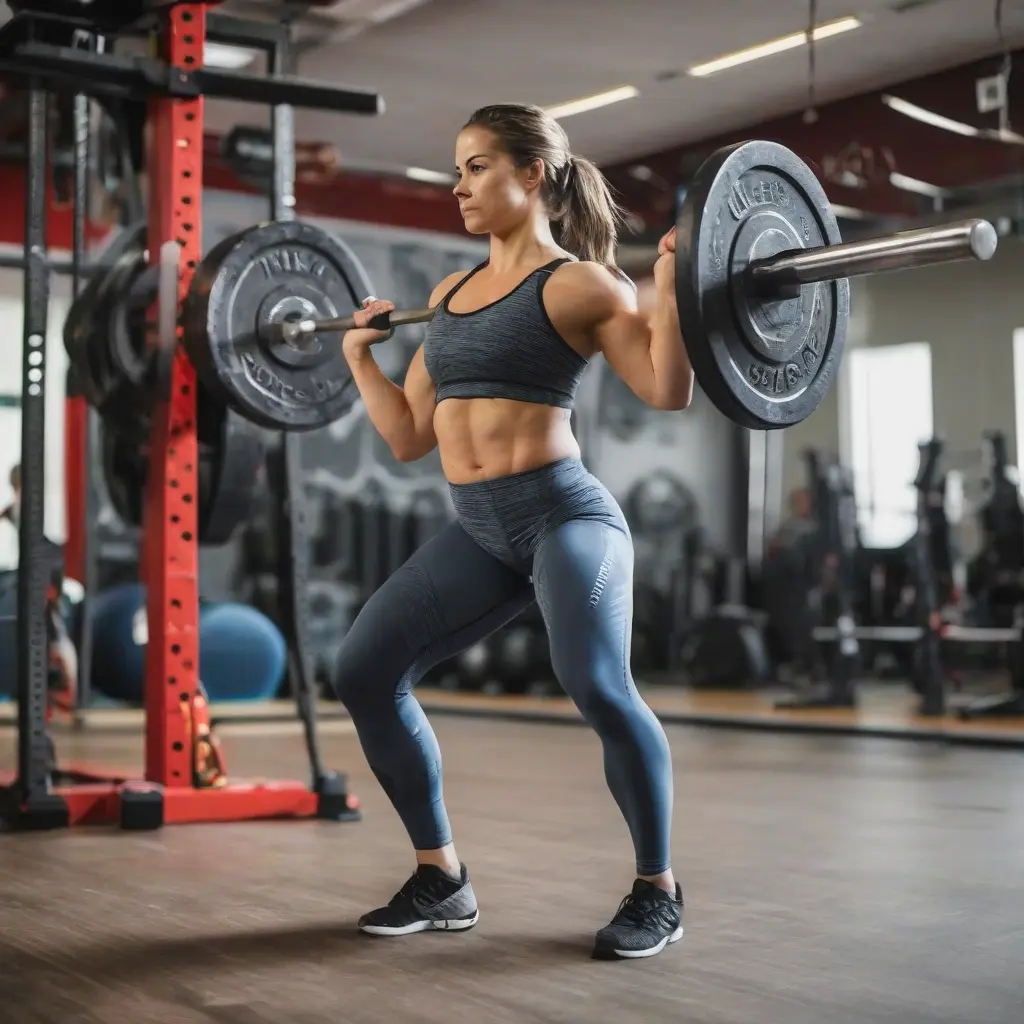
When upgrading your gym set, you’ll need to decide between free weights and machines. Free weights, such as dumbbells and barbells, offer a broader range of motion and help improve stabilizing muscles. They are excellent for functional training and can be more effective for building strength. On the other hand, machines provide guided movements, which can be safer, especially for beginners learning new exercises. Your choice should align with your fitness goals and confidence level, allowing you to develop a balanced routine that suits your progression.
Selecting Cardio Equipment
Cardio equipment is essential for heart health and endurance training. Popular options include treadmills, stationary bikes, ellipticals, and rowing machines. Each type caters to different fitness levels and preferences. For example, treadmills allow for natural running movements, while stationary bikes are low-impact and ideal for those with joint concerns. Consider your workout preferences and the space available in your gym setup when choosing cardio equipment. Investing in a quality machine that you’ll enjoy using increases the likelihood of sticking to your regimen.
Incorporating Functional Training Gear
Functional training gear can complement your traditional gym equipment by enhancing mobility and strength. Consider adding resistance bands, stability balls, kettlebells, and medicine balls to your set. These tools can improve your overall fitness by mimicking real-life movements, making them ideal for athletes and daily fitness enthusiasts alike. They also provide variety to your workouts, keeping things fresh and engaging. By incorporating functional training equipment, you can better prepare your body for everyday activities and improve your overall performance.
Prioritizing Safety Features
Safety should always be a priority when upgrading your gym set. Look for equipment with safety features such as non-slip surfaces, adjustable weights, and safety locks. If you’re investing in machines, ensure they have ergonomic designs that reduce the risk of injury. Furthermore, consider equipment that allows for progressive overload, so you can safely challenge yourself as you advance in your training. Making thoughtful choices about safety will promote a more effective workout experience while minimizing the chances of accidents.
Setting a Budget for Upgrades
Upgrading your gym set can be a significant investment, so it’s essential to establish a budget before you start shopping. Determine how much you are willing to spend and prioritize quality over quantity. Opting for multifunctional or modular equipment can often provide better value for the money, allowing you to maximize your options without overspending. Additionally, research brands and read reviews to ensure you’re making informed decisions. A well-planned budget helps you acquire the necessary equipment without financial stress while achieving your fitness goals.
Considering Space and Storage
Space can be a limiting factor when upgrading your gym set. Measure your area to determine what equipment can realistically fit without overcrowding. Compact and versatile gym equipment, like foldable benches or multi-use machines, can save space while providing various exercise options. Proper storage solutions for weights and accessories, such as shelving units or racks, can also keep your gym tidy and functional. By considering space during your upgrade, you can create an organized workout environment that promotes motivation and efficiency.
Gearing Up for Nutrition and Recovery
Upgrading your gym set is just one part of your fitness journey; paying attention to nutrition and recovery is equally essential. As you advance in your workouts, your dietary needs may change. Fueling your body with nutritious food can enhance performance and recovery. Likewise, incorporating practices like stretching, foam rolling, and adequate hydration can aid muscle recovery and minimize soreness. Create a balanced fitness strategy that includes these aspects, complementing your upgraded gym equipment for a holistic approach to achieving your goals.
Tracking Progress and Making Adjustments
After upgrading your gym set, it’s crucial to track your progress regularly. Keeping a fitness journal or using mobile apps provides insights into your workouts, helping you identify areas of improvement. Regularly reassessing your goals and workout routines ensures that your upgraded equipment continues to meet your needs. Depending on your progress, you may need to adjust your training regimen, add more resistance, or incorporate new exercises. Consistent tracking and adjustments promote a sustainable fitness journey that leads to long-term success.
Conclusion
Transitioning from casual to serious workouts is a significant step that requires careful consideration of your gym set upgrade. By understanding your fitness goals, assessing your current equipment, and making informed choices on new gear, you can create an effective and safe workout environment. Balancing quality, safety, and functionality in your equipment will bolster your progress and help sustain your motivation. Embracing this transformation empowers you to reach new heights in your fitness journey and achieve the results you desire.